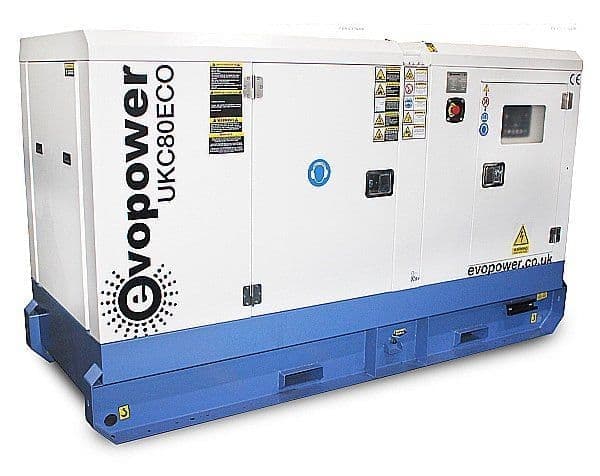
Generator sizing goes wrong in two directions. Undersized sets trip under load and fail when needed. Oversized sets cost more, burn more fuel and — less obviously — run badly at light load. Getting it right means understanding what the set actually has to survive, which is almost never the steady-state figure.
List every load, then find the worst moment
Start with a complete list of what the set must carry: lighting, heating, refrigeration, pumps, compressors, machine tools, IT. Note the running power of each.
Then identify the motors. Anything with a motor — pump, compressor, fan, lift, machine tool — draws a large surge on starting. That surge, not the running total, usually determines the rating you need.
The worst case is the largest motor starting while everything else is already running. That is the moment the set has to survive, and it is what you size against.
Motor starting surge
A direct-on-line induction motor can draw six to eight times its full-load current for a second or two while it accelerates. In practical terms a 15 kW motor running at around 18 kVA may demand 60 kVA or more to start.
Soft starters and variable-frequency drives reduce this substantially, and where they are already fitted the required generator rating drops accordingly. If you are specifying new equipment alongside a generator, fitting a soft starter is often cheaper than buying the larger set it would otherwise need.
Staggering starts also works. If two large motors can be sequenced so they never start together, you may drop a whole rating band.
Converting between kVA and kW
Generators are rated in kVA; equipment is usually specified in kW. At the conventional 0.8 power factor, kW is kVA multiplied by 0.8 — so a 100 kVA set gives roughly 80 kW.
Working in the wrong unit introduces a 25% error, which is more than enough to leave an installation undersized. State which unit your figures are in when you enquire.
Why oversizing is not a safe default
Buying substantially more capacity than needed seems prudent but carries real costs beyond the purchase price. A diesel engine running at very light load for long periods does not reach proper operating temperature, which causes wet stacking — unburnt fuel accumulating in the exhaust — along with glazed bores and elevated oil consumption.
As a rule of thumb, a diesel set wants to run above roughly 30% of its rating to stay healthy. Sizing for a load that only ever draws 10% stores up problems.
Allow headroom for growth by all means, but allow it deliberately rather than by guessing upward.
Common questions
- How much extra capacity should I allow for growth?
- Enough to cover known plans, not speculative ones. Bear in mind a diesel set wants to run above roughly 30% of its rating to avoid wet stacking, so a very large margin creates its own problems.
- Does a soft starter reduce the generator size I need?
- Yes, often significantly. Soft starters and variable-frequency drives cut motor inrush, which is usually what determines the rating. Fitting one can be cheaper than buying the larger set you would otherwise need.
Examples from our generators range
A sample of what we list — the full range is larger, and we will confirm the specification with you before you order.
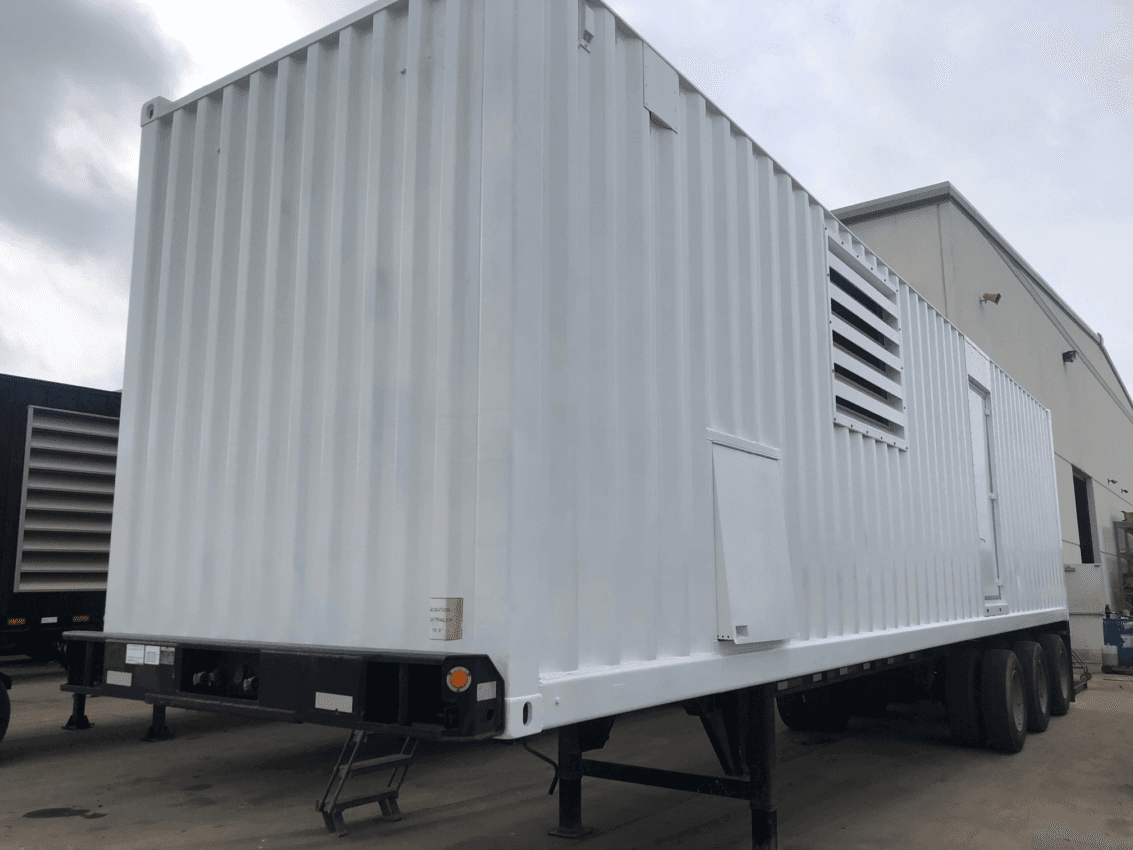
Portable Power Generators
Caterpillar XQ1750 Portable Power Module – 3516 DITA - 1750 kW
£150,000.00ex VAT
Request a quote for volume pricing
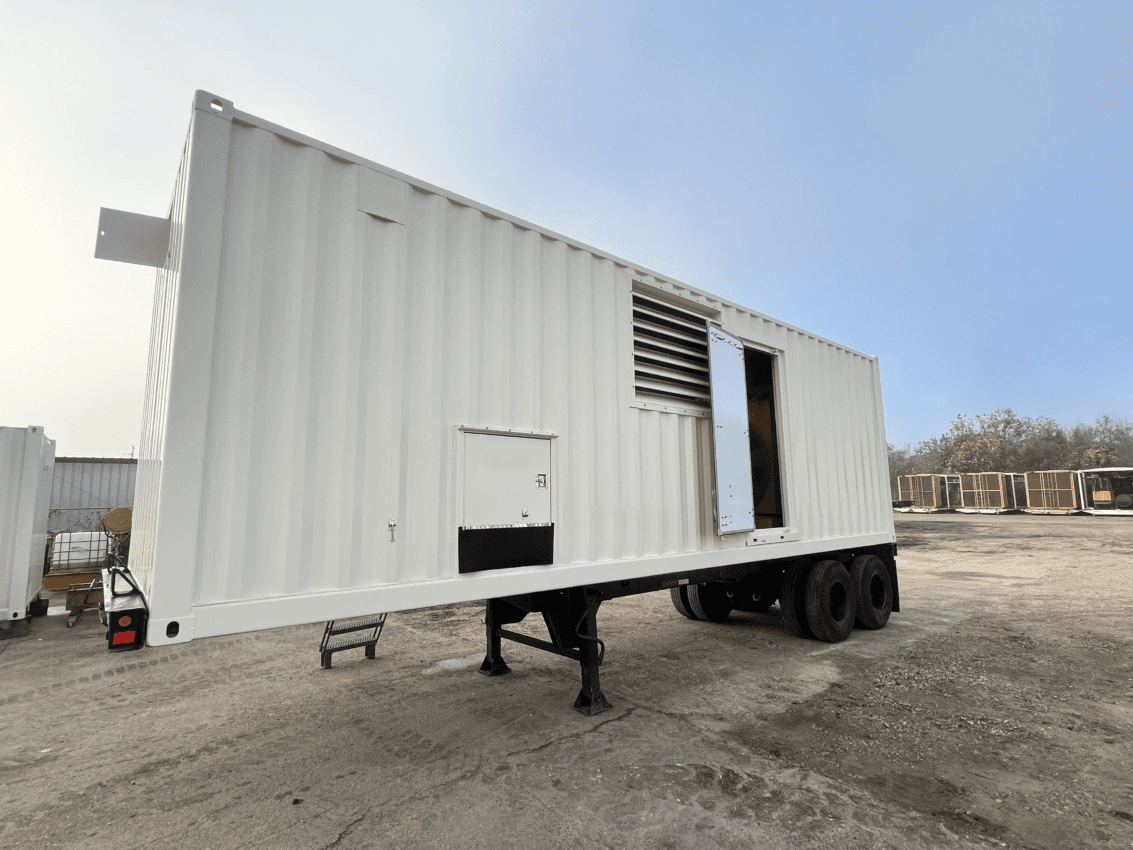
Portable Power Generators
Caterpillar XQ550G Natural Gas Power Module – G3512 TA - 555 kW
£150,000.00ex VAT
Request a quote for volume pricing
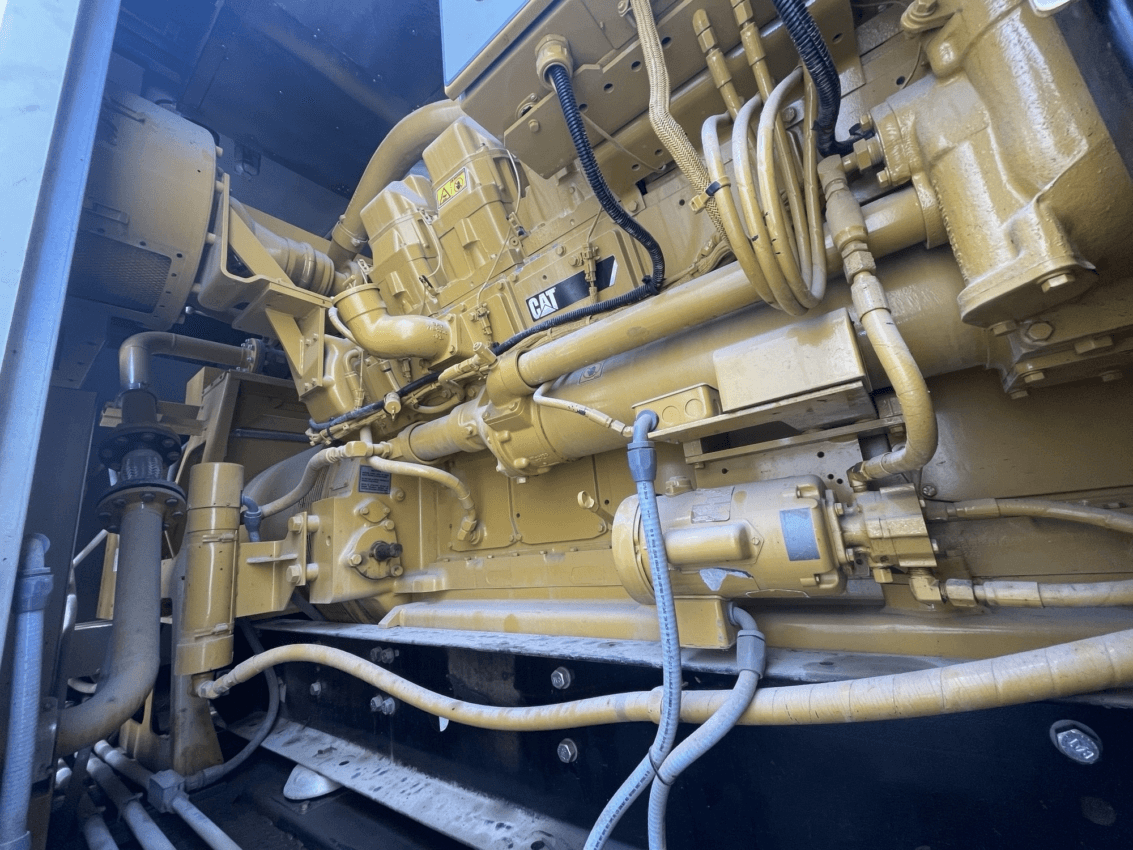
Portable Power Generators
Caterpillar XQ550G Natural Gas Power Module – G3512 TA - 555 kW
£135,000.00ex VAT
Request a quote for volume pricing