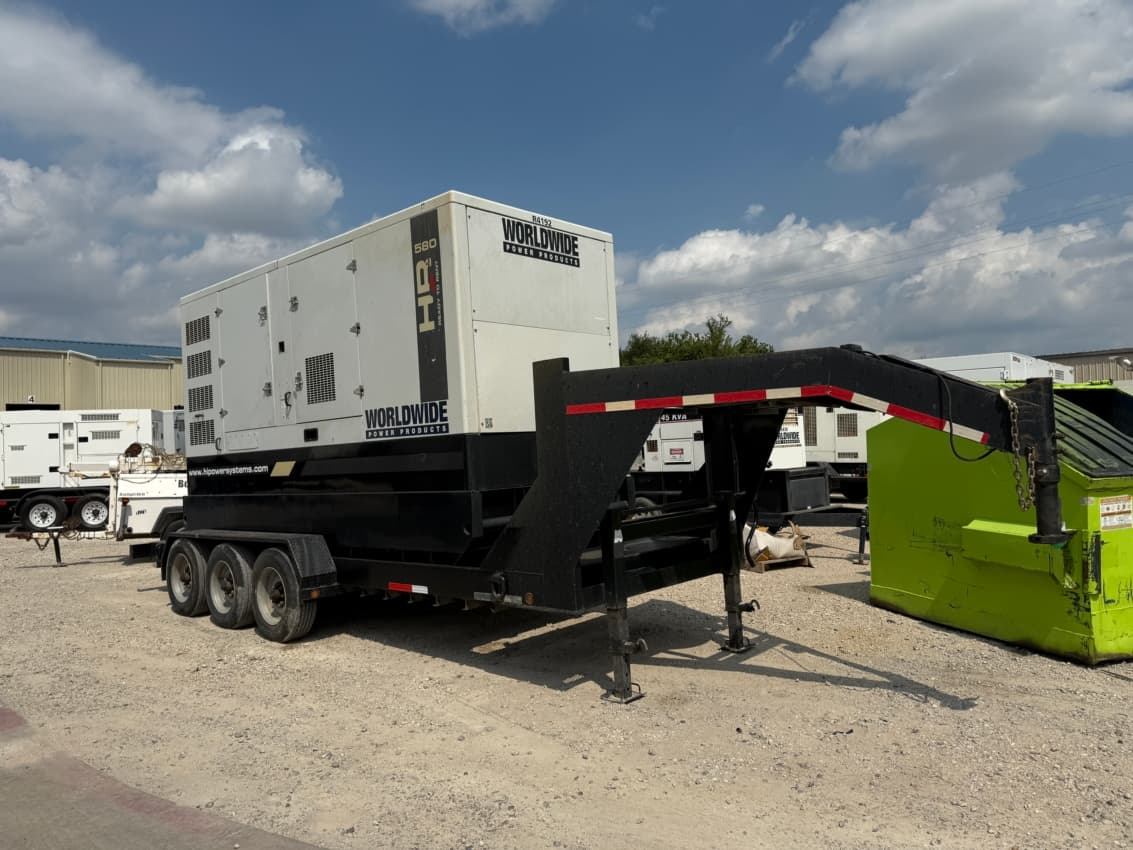
Most generator buying mistakes are specification mistakes, not purchasing ones. A set that is undersized trips under load; one sized on the wrong rating wears out early; one bought at the wrong frequency cannot legally or practically be connected at all. This guide covers the decisions that matter before price enters the conversation, in the order you need to make them.
Start with the load, not the budget
The first question is not how many kVA you can afford but what the set has to carry, and crucially what the worst moment looks like. Steady-state consumption is rarely the binding constraint. Motor starting is.
An induction motor draws several times its running current for the first second or two as it accelerates. A 15 kW compressor might settle at 18 kVA but demand 60 kVA or more to start. Size on the steady figure and the set will trip every time the compressor cuts in.
Write down every load, note which ones contain motors, and establish whether they can be staggered. Sequencing large motors so they never start simultaneously can cut the required rating substantially — often enough to drop a whole size band and save five figures.
kVA and kW are not interchangeable
Generators are rated in kVA (apparent power); loads are usually described in kW (real power). The relationship between them is power factor, conventionally taken as 0.8 for generator sets.
So a 100 kVA set delivers around 80 kW. If a supplier quotes you kW and you compare it against a competitor's kVA figure, you are not comparing like with like — and the difference is 25%, which is more than enough to leave you undersized.
When you enquire, state which unit your figures are in. Any competent supplier will ask, and one that does not is worth a second look.
Standby, prime and continuous ratings
The same physical machine carries different ratings depending on how it will be used, and the figures can differ by 20–30%.
Standby rating assumes emergency use only — a few hundred hours a year at variable load, with no sustained full-load running. Prime rating assumes the set is a primary supply, running long hours with variable load. Continuous rating assumes constant full load indefinitely, which is the most demanding and therefore the lowest figure.
Sizing a continuously running installation on its standby figure is the single most expensive error in this field. The set will run, but it will consume oil, build carbon and need rebuilding years early. Decide your duty before you compare ratings.
Single phase or three phase
This is determined by your incoming supply and your equipment, and it is not a preference. Single and three phase are not interchangeable, and converting between them after the fact is expensive.
Most UK domestic and rural properties have a single-phase supply. Most industrial machinery, machine tools and larger motors need three phase. If your site is single phase and your equipment needs three, the choice is a supply upgrade through your DNO or a set that generates three phase in isolation — which cannot then be paralleled with the mains.
Check the incoming supply before you shortlist anything. We stock equivalent ratings in both configurations, and the single-phase version of a given output is usually the more expensive of the two.
Frequency: why 60 Hz sets are a trap in the UK
UK mains runs at 50 Hz, 400/230 V. North American supply runs at 60 Hz, typically 480 V or 208 V for three phase. A great deal of used generating plant on the market is US-sourced, and it is configured accordingly.
A 60 Hz set cannot be paralleled with, or used as standby for, a UK mains supply as configured. It will run an isolated 60 Hz load perfectly well, which suits some industrial processes and export work. Many sets can also be re-governed to 1500 rpm for 50 Hz output, but this derates the machine and is engineering work rather than a wiring change.
This is worth checking explicitly on any used purchase. A 1800 rpm engine speed usually indicates 60 Hz; 1500 rpm indicates 50 Hz. We state frequency on our listings where the data exists, and flag US-specified stock plainly.
Noise, canopies and planning
An open-frame set is cheaper and easier to service, but considerably louder. Acoustic and super-silent canopies add cost and complicate maintenance access, and they are frequently the deciding factor rather than an upgrade.
Local authority noise limits apply to fixed plant, and standby sets near residential boundaries are a common source of complaint. Film, broadcast and event work routinely specifies super-silent sets as a baseline requirement.
Engine speed matters here too: a 1500 rpm set is markedly quieter than a 3000 rpm set of the same output, and lasts longer. For anything beyond occasional emergency use, the slow-revving option is usually the right one.
Fuel storage, emissions and siting
Diesel storage above certain volumes brings bunding and environmental requirements, and stored diesel degrades — which is the most common reason a standby set fails when finally called upon. Sets that sit unused need a fuel management plan, not just a service schedule.
Engine emissions tier determines where a set may legally operate. Older Tier 2 and Tier 3 plant can be restricted on urban sites and in low-emission zones, while Tier 4 Final machines have far more latitude. If the set will work in a city, check this before buying.
Where mains gas is available, a gas standby set removes fuel storage and degradation from the picture entirely — worth considering for fixed installations.
Common questions
- What size generator do I need?
- Size on your total load plus the starting surge of the largest motor, not on steady-state consumption alone. Motor inrush can be several times running current and is usually what determines the rating. Tell us your load list and which items contain motors, and we will size it with you.
- Can I use a 60 Hz generator in the UK?
- Not as a mains-connected standby or parallel supply, because UK mains is 50 Hz. A 60 Hz set will run an isolated 60 Hz load, and many can be re-governed to 1500 rpm for 50 Hz output, which derates the machine. Always confirm frequency before buying used plant.
- Is a silent generator worth the extra cost?
- If the set runs anywhere near occupied buildings, or you are subject to local authority noise limits, it is usually not optional. For occasional standby in an isolated location, an open-frame set may be adequate and is easier to service.
Examples from our generators range
A sample of what we list — the full range is larger, and we will confirm the specification with you before you order.
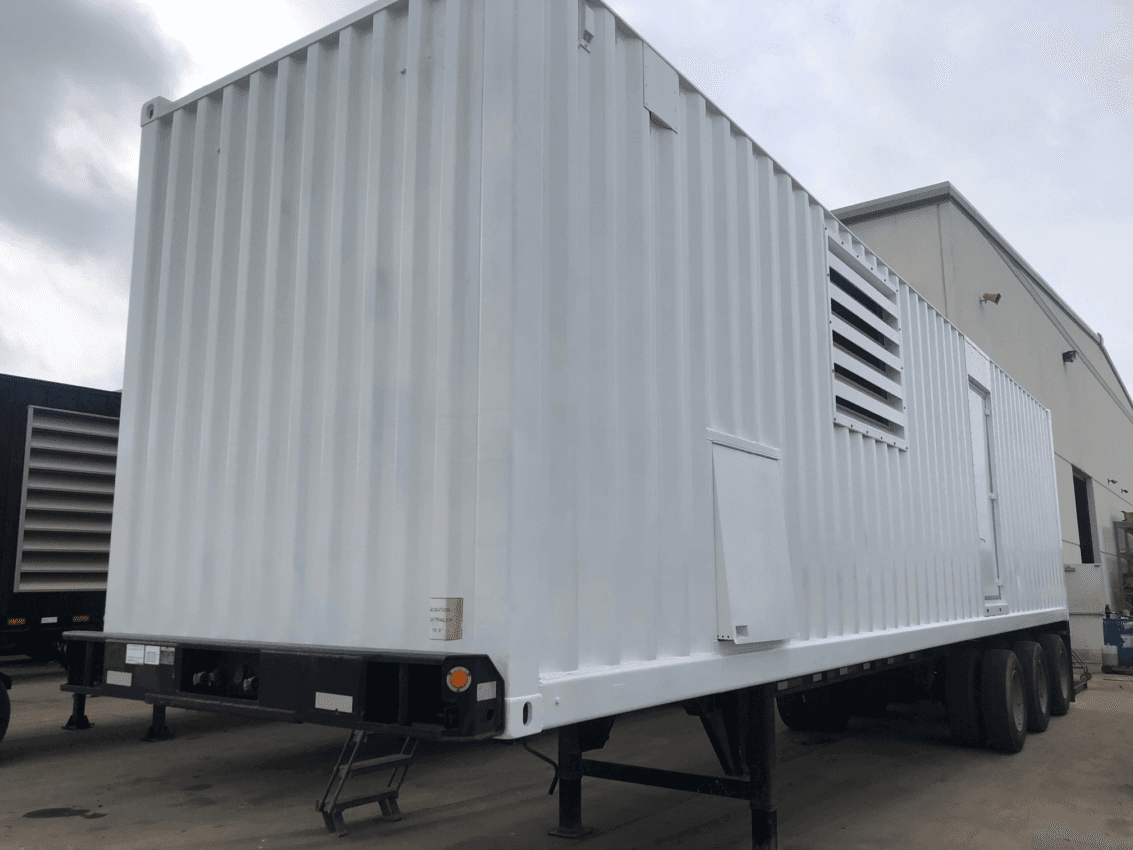
Portable Power Generators
Caterpillar XQ1750 Portable Power Module – 3516 DITA - 1750 kW
£150,000.00ex VAT
Request a quote for volume pricing
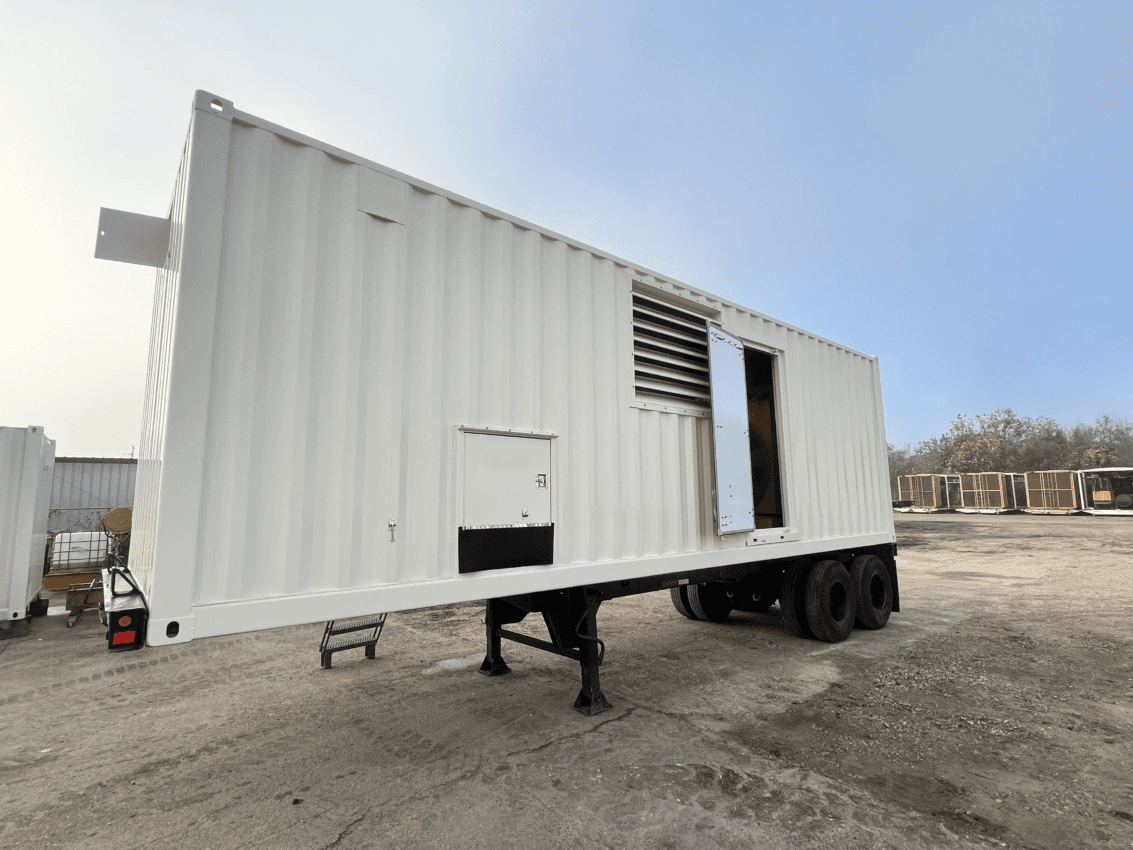
Portable Power Generators
Caterpillar XQ550G Natural Gas Power Module – G3512 TA - 555 kW
£150,000.00ex VAT
Request a quote for volume pricing
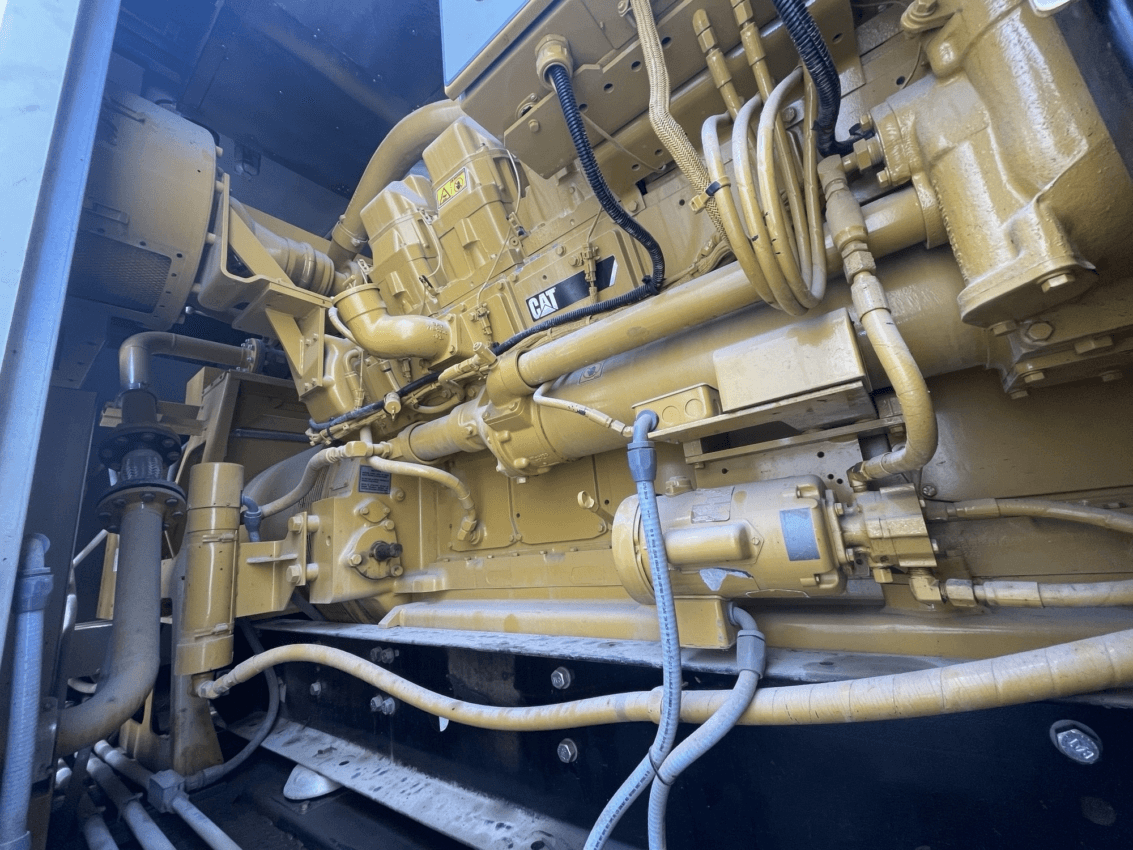
Portable Power Generators
Caterpillar XQ550G Natural Gas Power Module – G3512 TA - 555 kW
£135,000.00ex VAT
Request a quote for volume pricing