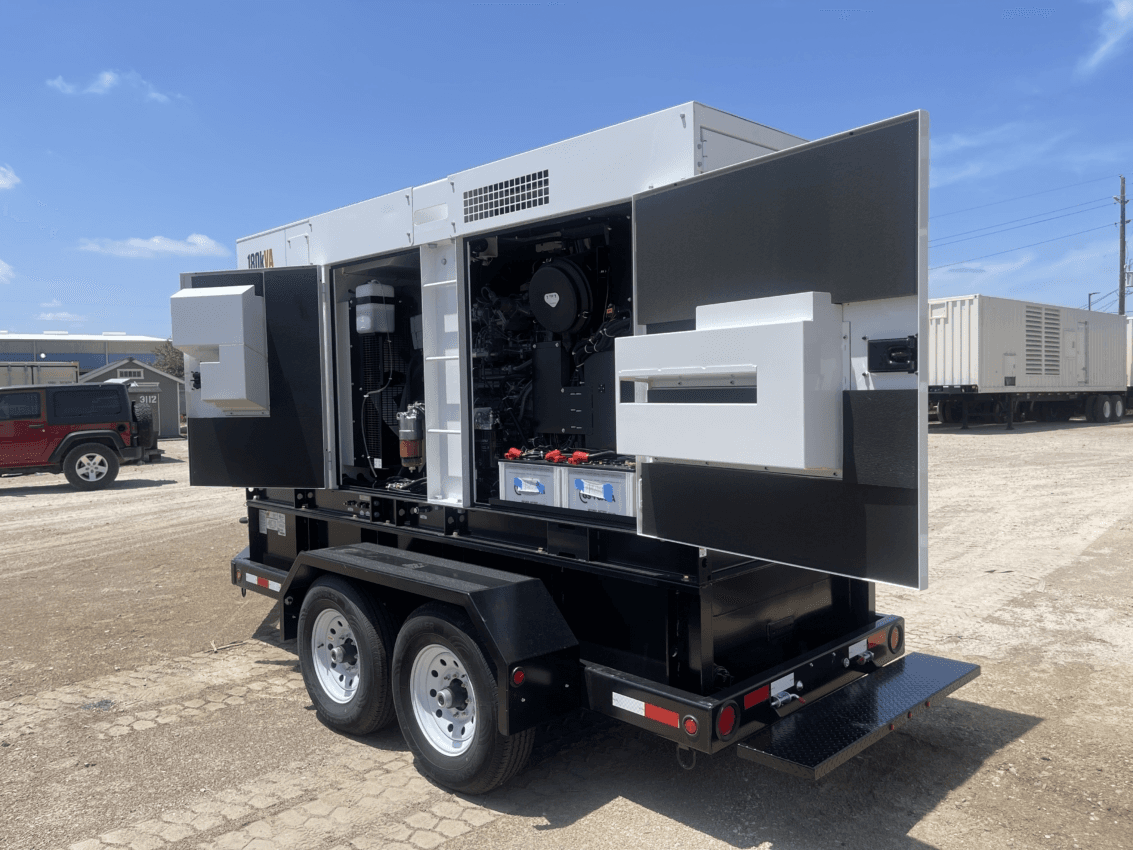
A large share of the used generating plant on the world market is North American, and it is built for a 60 Hz grid. UK mains is 50 Hz. This is the most consequential specification difference in used generator buying, and the one most often discovered after purchase rather than before.
What the difference actually means
Mains frequency is set by the speed of the generating plant. A four-pole alternator produces 50 Hz at 1500 rpm and 60 Hz at 1800 rpm. UK and European supply is 50 Hz at 400/230 V; North American supply is 60 Hz, commonly 480 V or 208 V for three phase.
So frequency is not a setting but a consequence of how the set is governed and wound. It is not something you change at the control panel.
What you can and cannot do with a 60 Hz set in the UK
You cannot parallel it with the UK grid, and you cannot use it as a mains-backup standby set, because the frequencies do not match. Any synchronising equipment will simply refuse.
You can run an isolated 60 Hz load from it. That is genuinely useful for some industrial processes, for equipment imported from North America, for testing, and for export projects — but it is a specific application, not general standby.
Much equipment is more tolerant of frequency than people assume: resistive loads such as heating are largely indifferent. Motors, however, run 20% faster on 60 Hz than 50 Hz, which changes the behaviour of anything driven by one.
Converting a 60 Hz set to 50 Hz
Many sets can be re-governed from 1800 to 1500 rpm to produce 50 Hz. This is established engineering work, not a modification of last resort, but it has consequences.
The engine produces less power at lower speed, so the set derates — commonly by around 15–20%. A 1000 kW 60 Hz machine might become an 800 kW 50 Hz machine. The alternator may also need rewinding or replacing to give 400 V at the new speed.
Whether that maths works depends on the price. A heavily discounted US-sourced set that derates to the capacity you actually need can be excellent value. The same set bought at UK-spec prices and then converted is not.
How to spot it before you buy
Check the engine speed first: 1800 rpm indicates 60 Hz, 1500 rpm indicates 50 Hz. Check the rated voltage: 480 V or 208 V are North American, 400 V is European. Check the rating plate for the frequency directly.
Ask the seller explicitly and get it in writing. On our own listings we state the frequency wherever the data exists, and we flag US-specified stock prominently, because a buyer discovering this after delivery has a legitimate complaint.
Common questions
- How can I tell if a used generator is 50Hz or 60Hz?
- Engine speed is the quickest indicator: 1500 rpm gives 50 Hz, 1800 rpm gives 60 Hz. Rated voltage is another clue — 400 V is European, 480 V and 208 V are North American. The rating plate should state frequency directly.
- Is converting a 60Hz generator to 50Hz worthwhile?
- Sometimes. The engine is re-governed from 1800 to 1500 rpm, which derates output by roughly 15–20% and may require alternator work. If the purchase price reflects that, and the derated output meets your need, it can be good value.
Examples from our generators range
A sample of what we list — the full range is larger, and we will confirm the specification with you before you order.
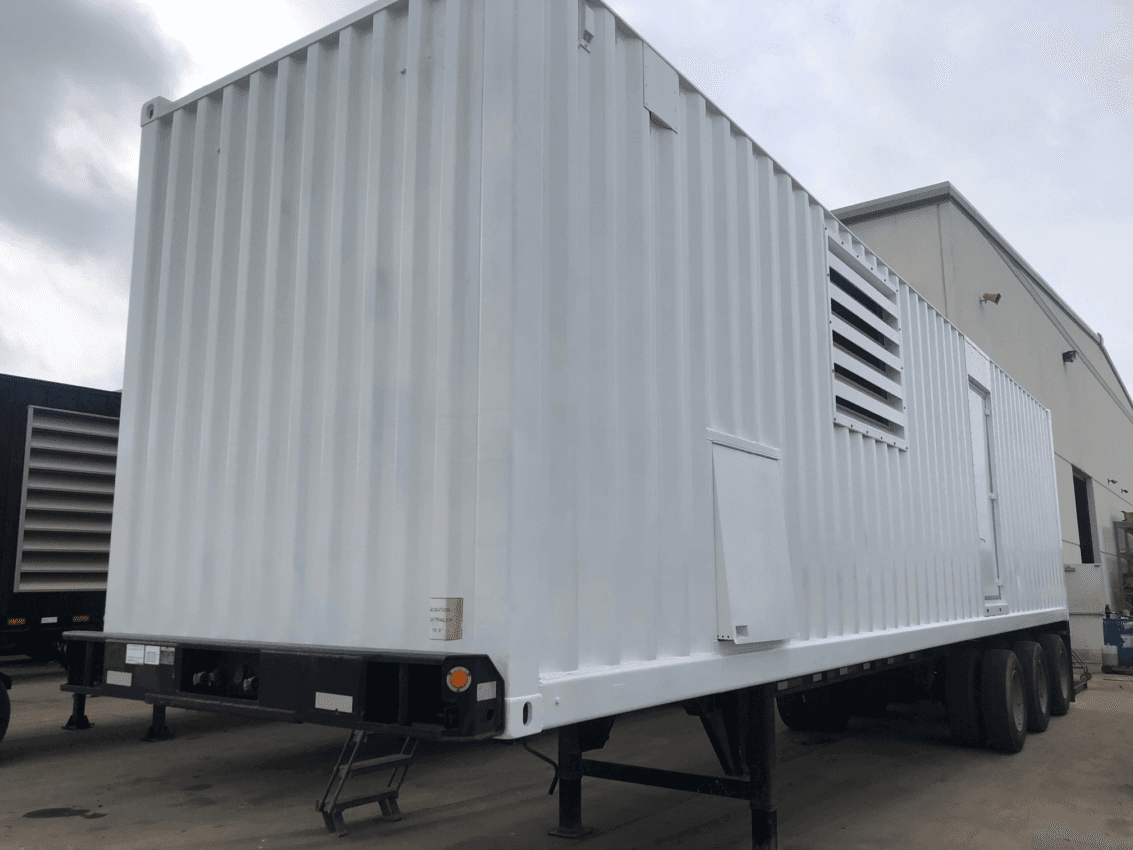
Portable Power Generators
Caterpillar XQ1750 Portable Power Module – 3516 DITA - 1750 kW
£150,000.00ex VAT
Request a quote for volume pricing
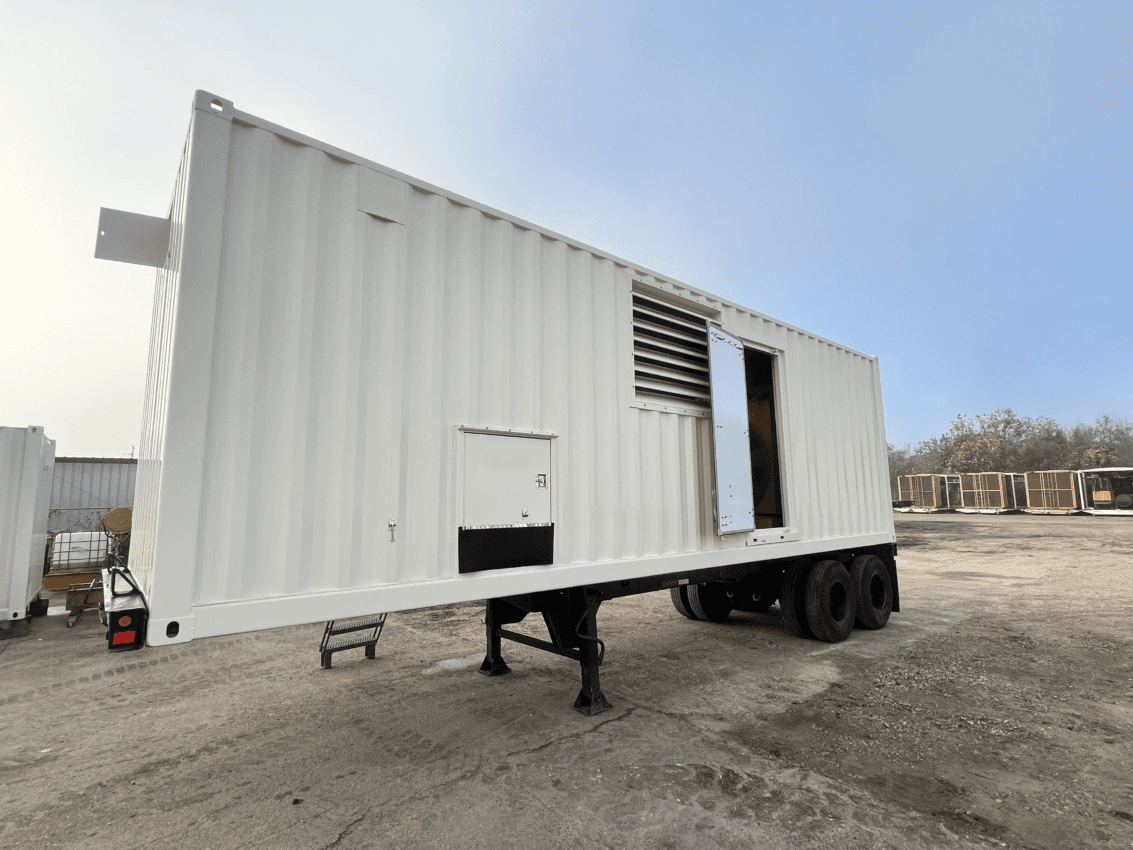
Portable Power Generators
Caterpillar XQ550G Natural Gas Power Module – G3512 TA - 555 kW
£150,000.00ex VAT
Request a quote for volume pricing
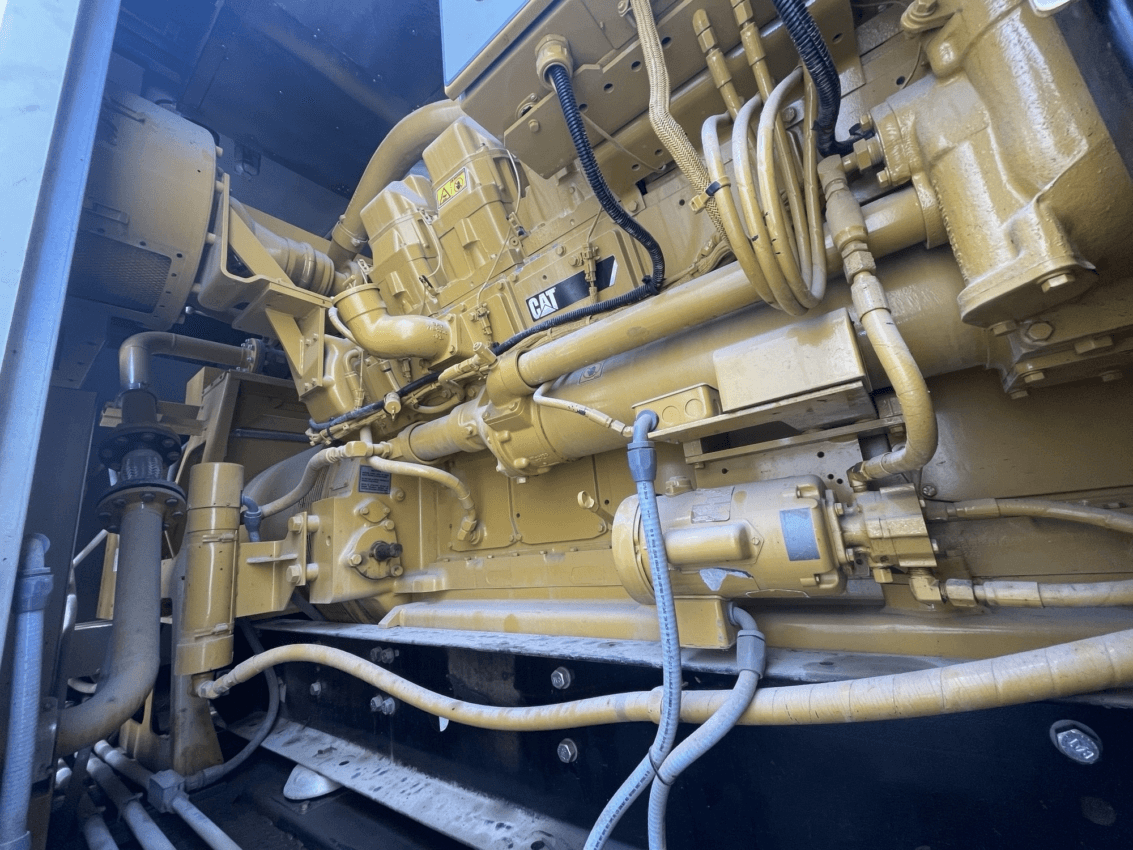
Portable Power Generators
Caterpillar XQ550G Natural Gas Power Module – G3512 TA - 555 kW
£135,000.00ex VAT
Request a quote for volume pricing
Further reading
External guidance from the Health and Safety Executive and GOV.UK. We summarise it here for convenience; where it matters, work from the source.