This is one of the few generator decisions with a definite right answer, determined by your incoming supply and your equipment rather than by preference. It is also one of the more expensive to get wrong, because the two are not interchangeable and conversion after the fact is costly.
How to tell what you have
Look at your incoming supply and consumer unit or distribution board. A single-phase supply arrives on one live conductor and a neutral, typically at 230 V. A three-phase supply arrives on three live conductors plus neutral, giving 400 V between phases and 230 V phase to neutral.
Most UK houses, smallholdings and rural properties are single phase. Most commercial and industrial premises are three phase, though not all — small retail and office units frequently are not.
If you are unsure, your electrician or your electricity bill will tell you. Do not assume: it determines everything downstream.
What your equipment needs
Most industrial motors above a few kilowatts, machine tools, larger compressors, lifts and three-phase welders need three phase. Lighting, heating, domestic appliances and small tools run on single phase.
A three-phase motor cannot be run from a single-phase supply without a converter, and converters add cost, complexity and losses. Conversely, running a largely single-phase load from a three-phase generator leaves the phases unbalanced unless the load is distributed carefully — which matters more than people expect on standby installations.
Why single-phase sets cost more
For a given output, a single-phase generator is usually more expensive than the three-phase equivalent, which surprises buyers. The alternator has to deliver the whole output through one winding set rather than three, so it is physically larger for the same kVA.
That is a reason to check your supply before shortlisting, not a reason to buy three phase you cannot use.
The multi-phase option
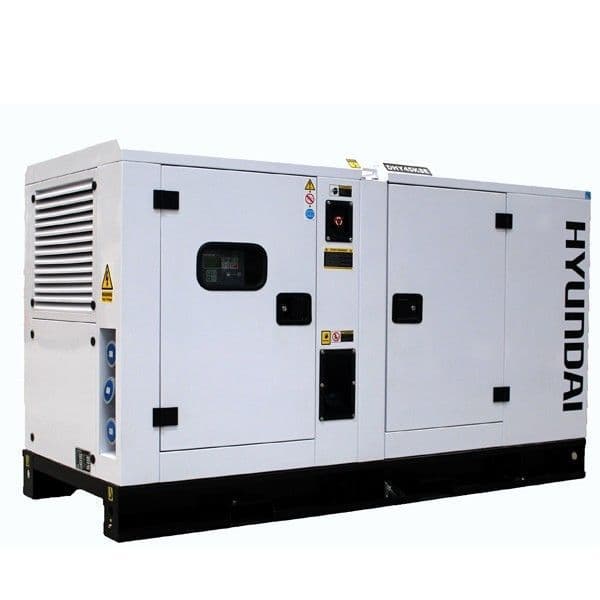
Some sets — Stephill's SSDK range among them — are built multi-phase, able to supply single or three phase from the same machine. They are common in hire fleets precisely because the next job's requirement is unknown.
If your requirement genuinely varies, or you are buying for hire, that flexibility is worth paying for. If your site is fixed and known, it is not.
Common questions
- Can I run a three-phase machine from a single-phase generator?
- Not directly. It needs a phase converter or a variable-frequency drive capable of single-phase input, both of which add cost and losses. If you have several three-phase machines, a three-phase set is usually the better answer.
- Why is the single-phase version more expensive?
- The alternator must deliver the full output through one winding set rather than three, so it is physically larger for the same kVA rating.
Examples from our generators range
A sample of what we list — the full range is larger, and we will confirm the specification with you before you order.
Portable Power Generators
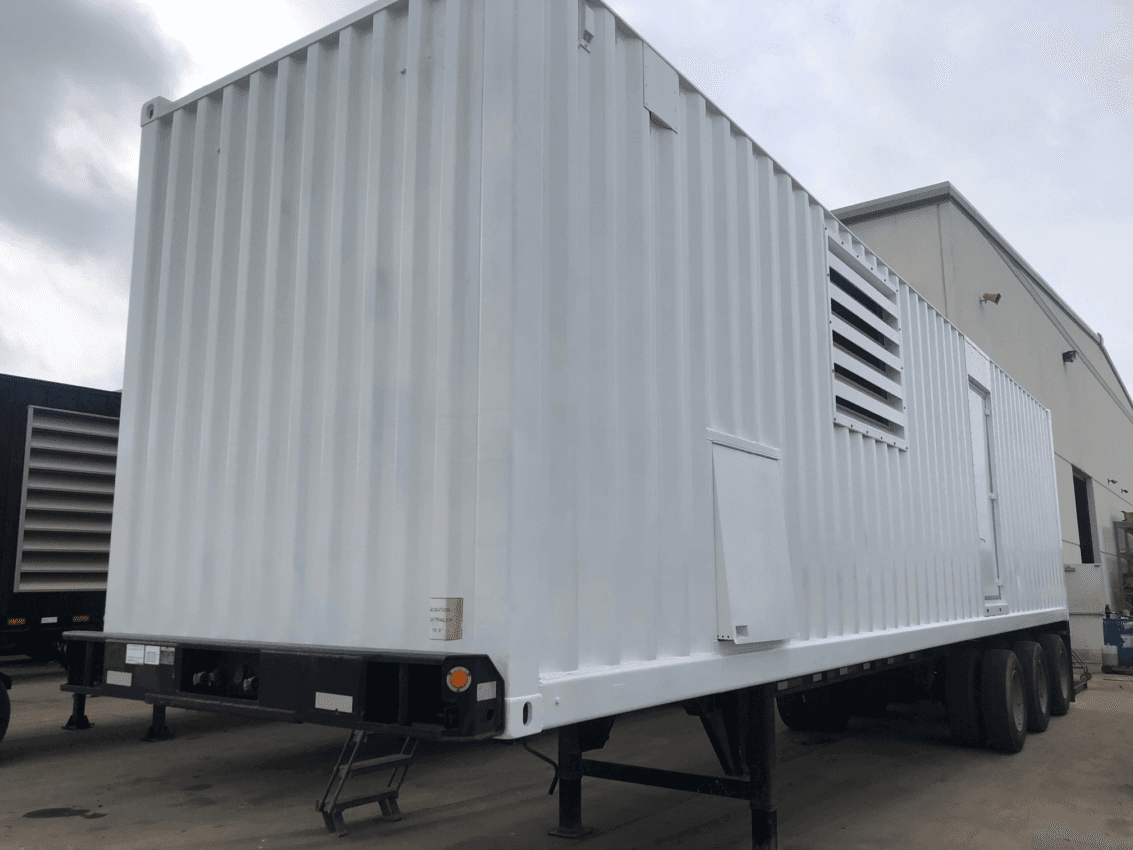
Caterpillar XQ1750 Portable Power Module – 3516 DITA - 1750 kW
£150,000.00ex VAT
Request a quote for volume pricing
Portable Power Generators
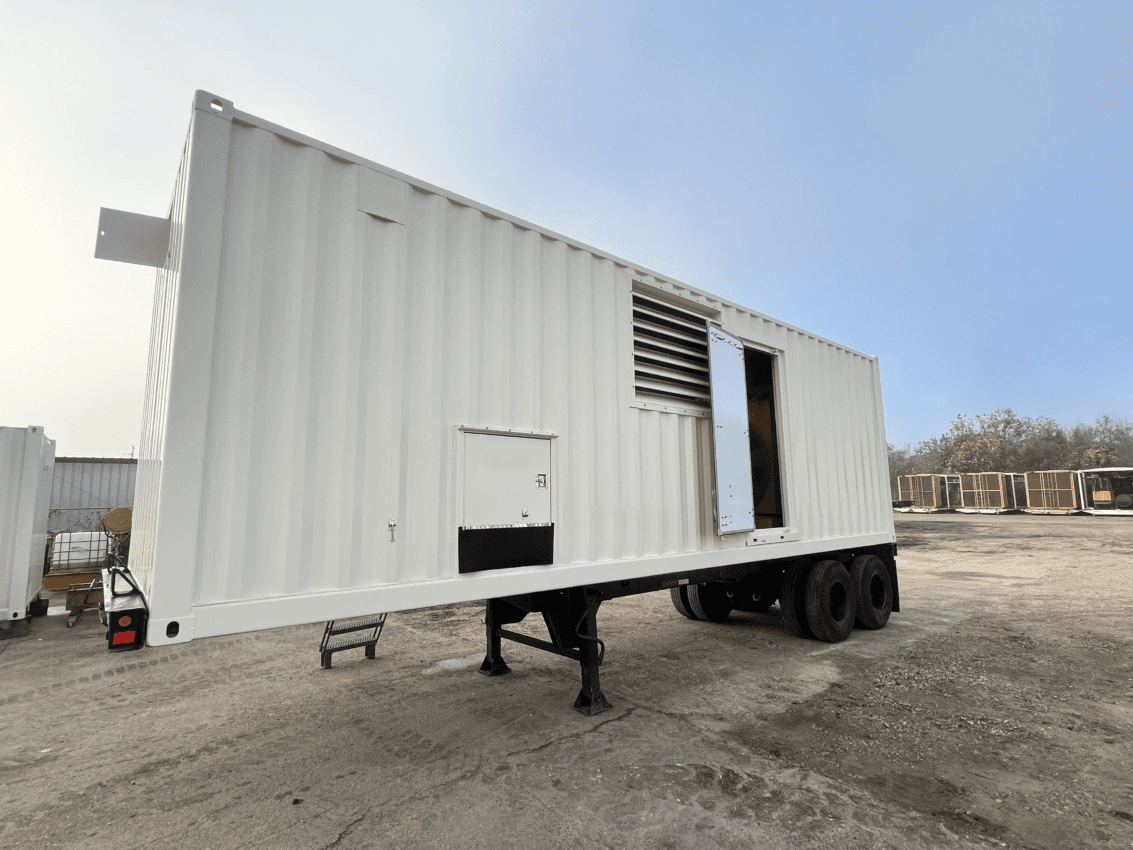
Caterpillar XQ550G Natural Gas Power Module – G3512 TA - 555 kW
£150,000.00ex VAT
Request a quote for volume pricing
Portable Power Generators
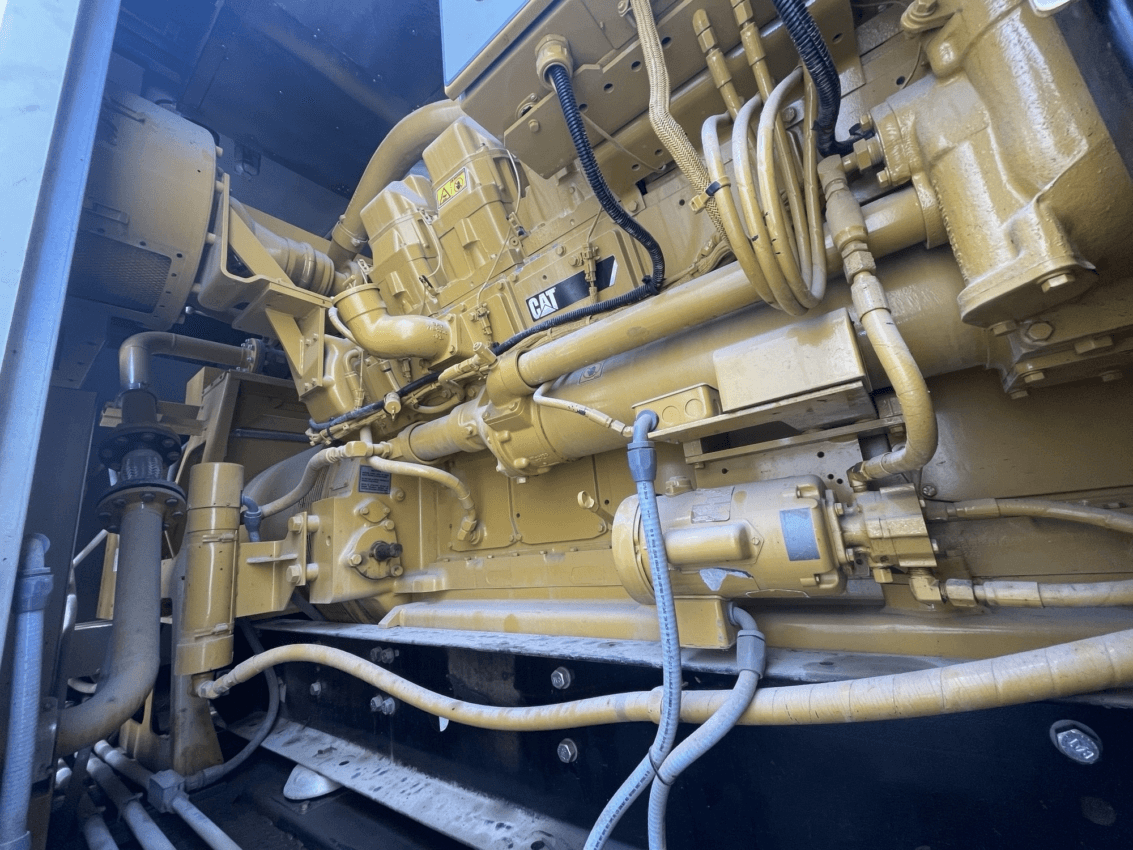
Caterpillar XQ550G Natural Gas Power Module – G3512 TA - 555 kW
£135,000.00ex VAT
Request a quote for volume pricing
Further reading
External guidance from the Health and Safety Executive and GOV.UK. We summarise it here for convenience; where it matters, work from the source.