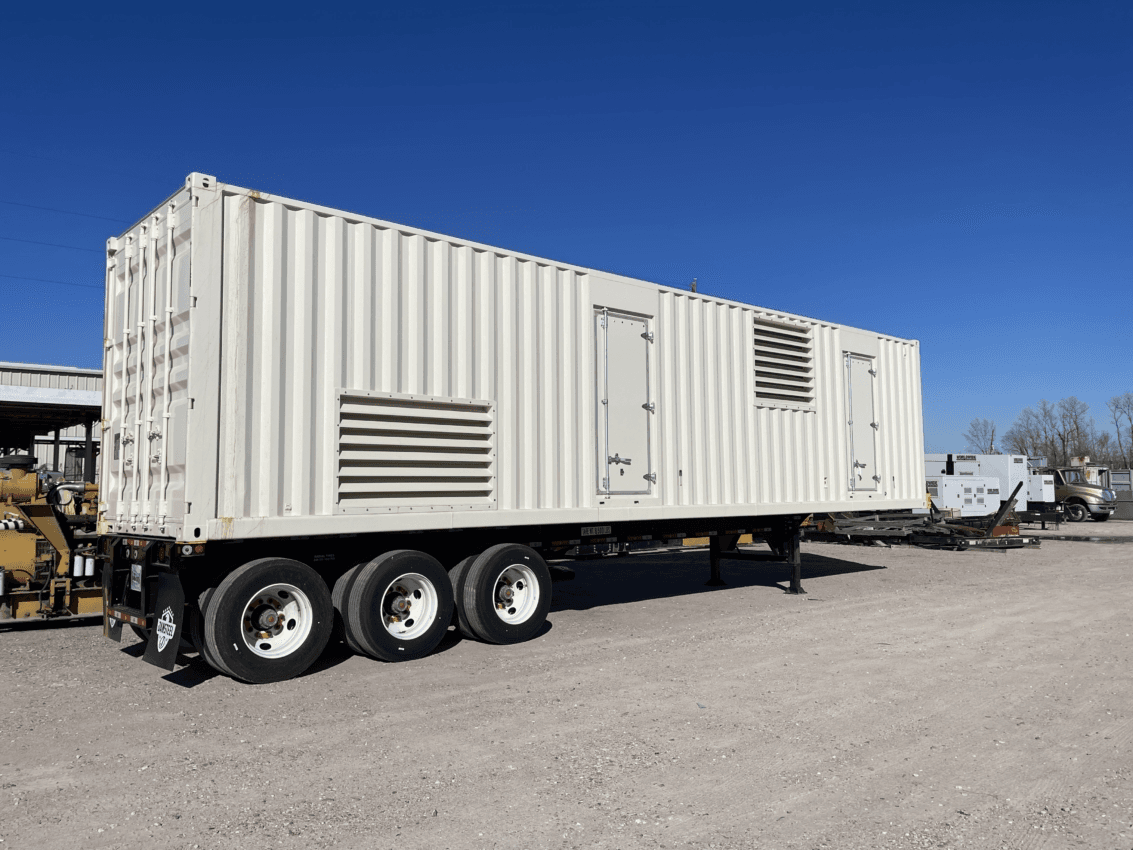
Used generating plant can be excellent value: these are long-lived machines, and a well-maintained set with moderate hours may have most of its life ahead of it. The risk is not age — it is buying a machine whose specification quietly rules out your application.
Specification first, condition second
Before looking at hours or condition, confirm the set can do the job at all: frequency, voltage, phase, rating type and emissions tier. Any one of those can make an otherwise excellent machine useless to you.
Frequency is the most common problem with imported plant. A great deal of used stock is US-sourced at 60 Hz, which cannot back up a UK 50 Hz mains supply without re-governing and derating.
A bargain that needs £15,000 of conversion work to become usable is not a bargain unless the price reflects it.
Hours, and what they actually tell you
Running hours matter, but duty matters more. A standby set with 500 hours accumulated over ten years of monthly testing has had a harder life in some respects than a prime set with 5,000 hours of steady running — frequent cold starts and short runs are harder on an engine than sustained operation.
Ask what the set did, not just how long it did it. A hospital standby set, a rental fleet machine and a continuous industrial set at the same hour count are different propositions.
Large industrial engines are designed for rebuild rather than disposal. On a 2000 kW set, 10,000 hours may be mid-life.
What to ask for
Service records, load bank test results, and a recent oil sample analysis if available. Oil analysis is the single most informative document on a used engine — it reveals wear metals, coolant ingress and fuel dilution that no visual inspection will show.
For the alternator, insulation resistance test results. Alternator windings degrade with moisture and age, and a set stored badly can need expensive rewinding regardless of engine condition.
Ask why it is being sold. Fleet renewal, site closure and project completion are routine answers; vagueness is not.
Inspection and load testing
Arrange to see the set run, ideally on load. A machine that starts and idles tells you very little — faults in cooling, fuelling and the alternator appear under load, not at idle.
Check for oil and coolant leaks, exhaust smoke colour under load, radiator condition and corrosion on the base frame. On a canopied set, check that the enclosure has not been used to hide damage.
We can arrange inspection on stock we hold. If a seller resists inspection or load testing on plant at this value, that is itself informative.
Common questions
- How many hours is too many on a used generator?
- It depends on the engine class and duty. Large industrial engines are designed for rebuild and may be mid-life at 10,000 hours. Service history and oil analysis tell you more than the hour meter.
- What is the most important document to ask for?
- Recent oil sample analysis. It reveals wear metals, coolant ingress and fuel dilution that no visual inspection or short test run will show.
Examples from our generators range
A sample of what we list — the full range is larger, and we will confirm the specification with you before you order.
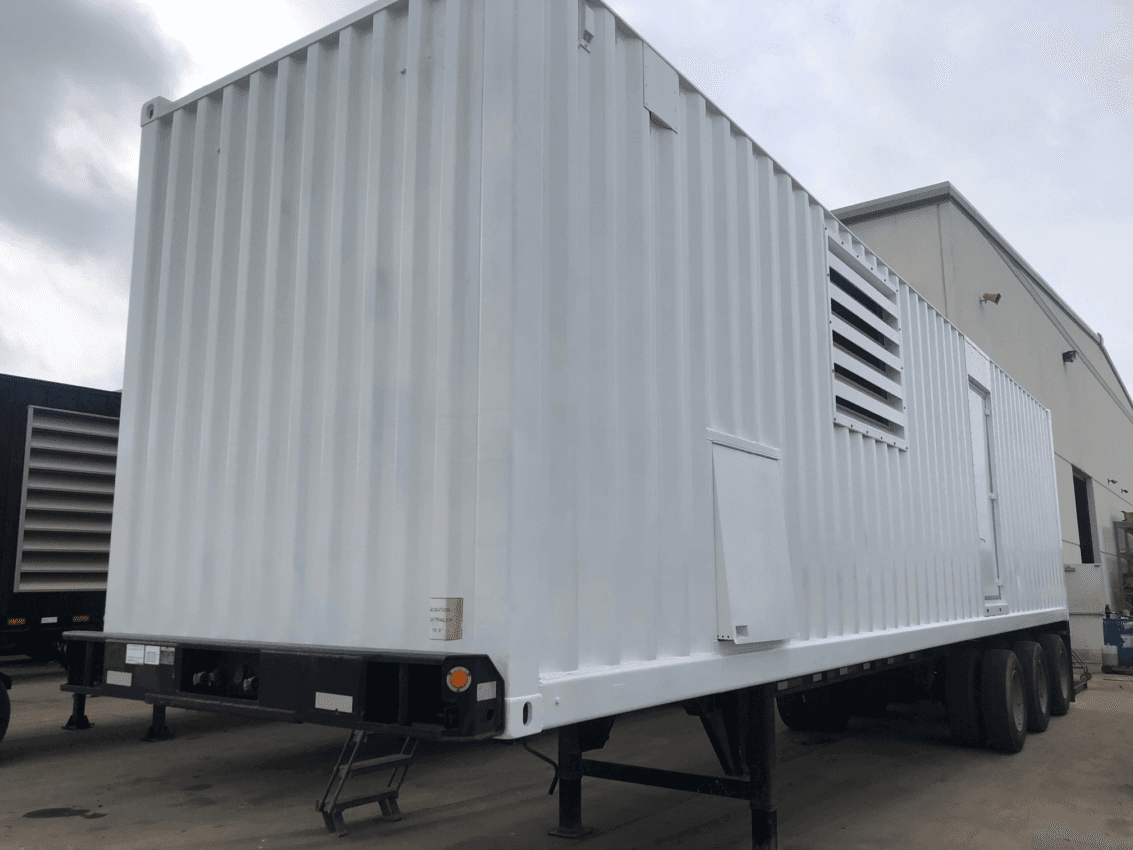
Portable Power Generators
Caterpillar XQ1750 Portable Power Module – 3516 DITA - 1750 kW
£150,000.00ex VAT
Request a quote for volume pricing
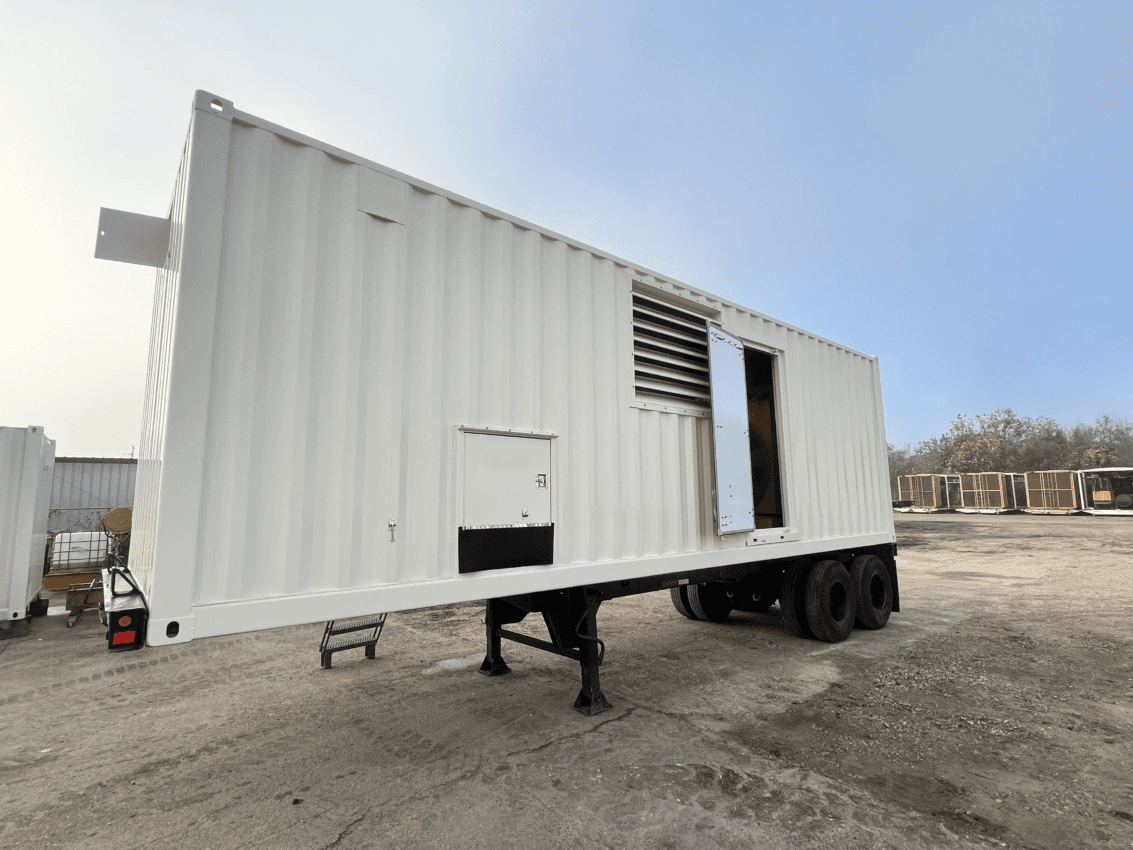
Portable Power Generators
Caterpillar XQ550G Natural Gas Power Module – G3512 TA - 555 kW
£150,000.00ex VAT
Request a quote for volume pricing
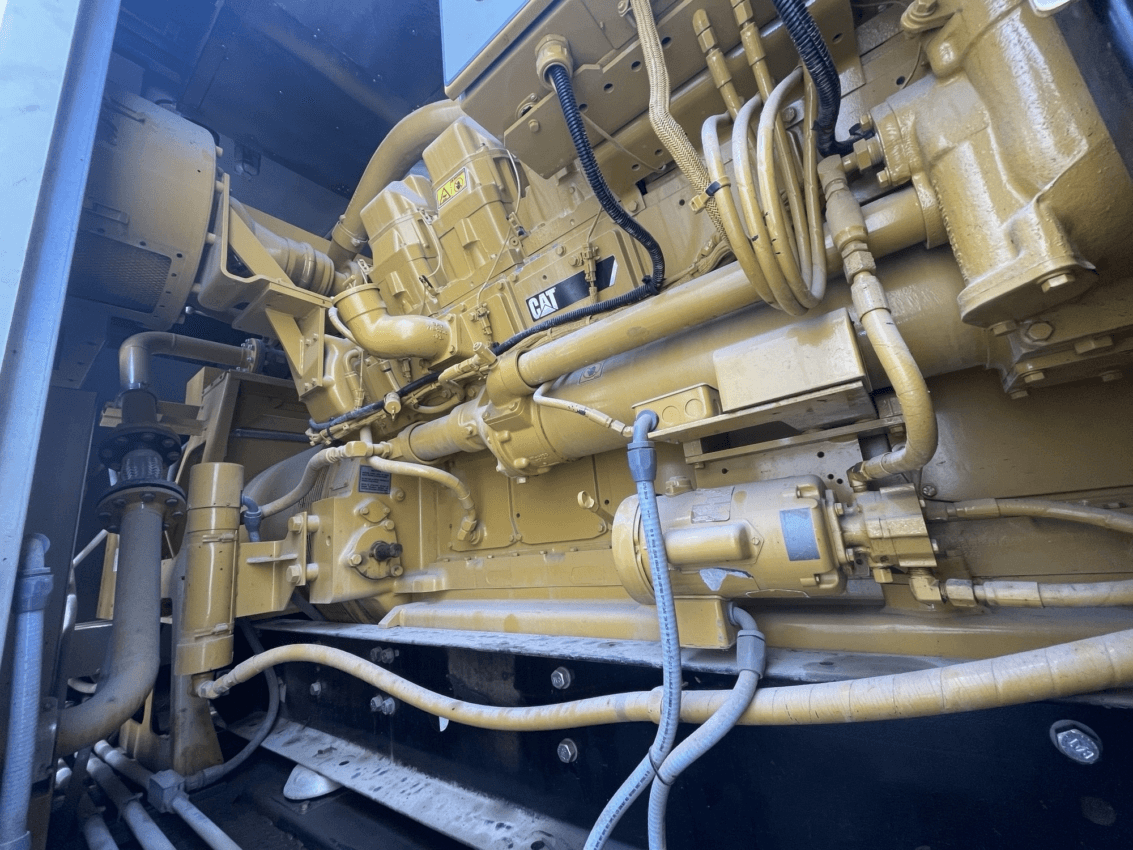
Portable Power Generators
Caterpillar XQ550G Natural Gas Power Module – G3512 TA - 555 kW
£135,000.00ex VAT
Request a quote for volume pricing
Further reading
External guidance from the Health and Safety Executive and GOV.UK. We summarise it here for convenience; where it matters, work from the source.