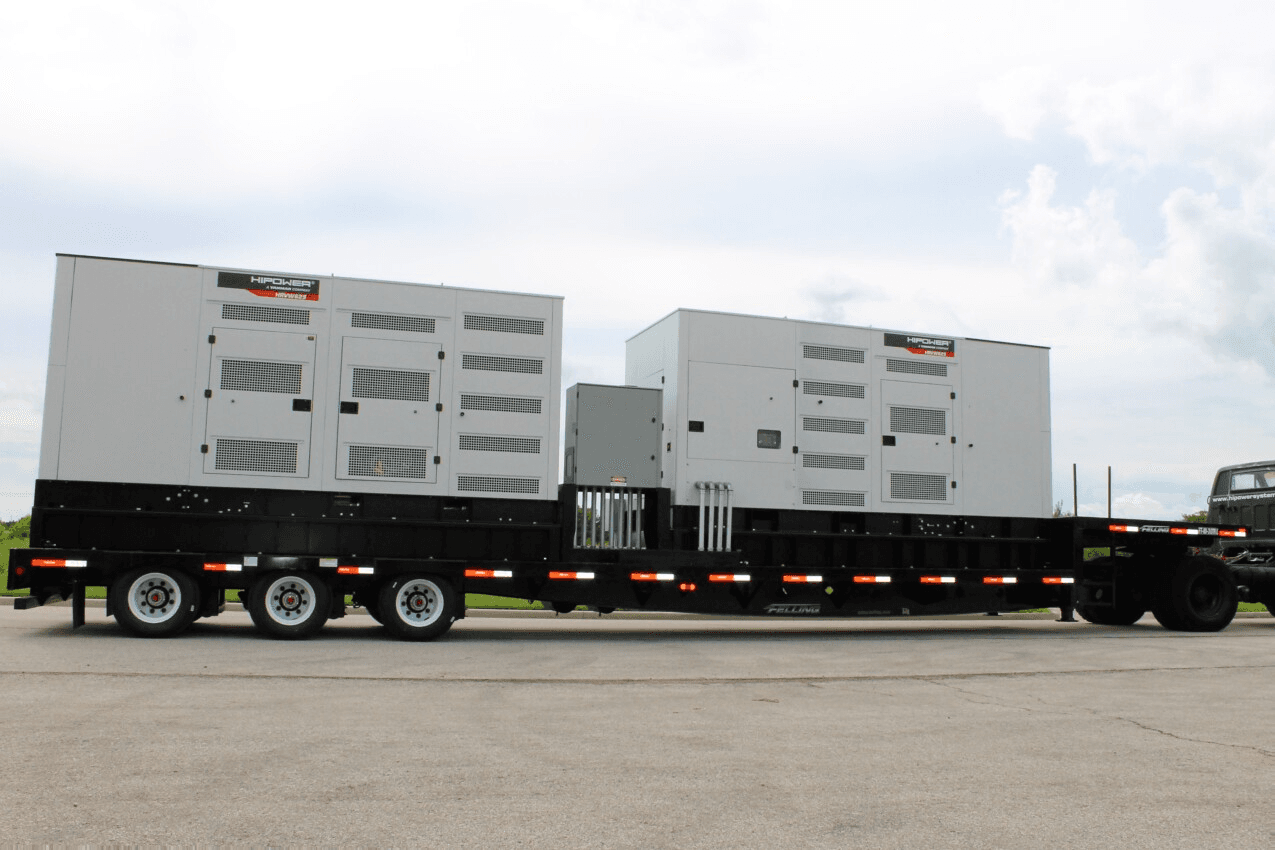
Emissions tier is the specification most often skipped when buying used generating plant, and the one most likely to make a bargain unusable. A set that cannot legally run where you need it is worth very little, however good the price.
What the tiers mean
Engine emissions standards limit particulates and nitrogen oxides, and they have tightened in steps. The US system runs Tier 1 through Tier 4 Final; the European system runs Stage I through Stage V. They are broadly comparable but not identical, which matters when buying US-sourced plant.
Tier 2 and Tier 3 are older standards. Tier 4 Final and Stage V are current, and considerably cleaner — typically achieved with after-treatment such as diesel particulate filters and selective catalytic reduction.
The standard applies to the engine as built. It is not something that can be upgraded in any practical way, so it travels with the machine for its whole life.
Where it bites in the UK
Low-emission and clean-air zones in UK cities increasingly restrict non-road mobile machinery, not just vehicles. London's NRMM requirements are the most developed, and other cities have followed.
In practice that means an older Tier 2 or Tier 3 set may be perfectly legal on a rural site, a quarry or a farm, and prohibited on a central London construction site. If your work moves between locations, the lowest common denominator governs what you can buy.
Local authority planning conditions on fixed standby installations can also specify emissions limits, particularly near residential property or schools.
How this affects used pricing
Older-tier plant trades at a substantial discount precisely because its market is narrower. That is an opportunity if your application genuinely does not face restrictions — agriculture, rural standby, isolated sites, export.
It is a trap if you buy on price and discover afterwards that your main customer's sites are regulated. Establish where the set will work before you shortlist on tier.
After-treatment and running costs
Tier 4 Final and Stage V engines achieve their figures partly through after-treatment, which brings its own considerations: diesel particulate filters need regeneration cycles, and selective catalytic reduction needs AdBlue.
On a set that runs long hours this is a real operating cost and a real maintenance obligation. On a standby set that runs a few hours a year, filters that never reach regeneration temperature can become a maintenance problem in themselves.
Match the technology to the duty, not just the regulation.
Common questions
- Can I upgrade an older generator to meet current emissions standards?
- Not in any practical sense. The standard is a property of the engine as built, and retrofit after-treatment for non-road engines is rarely cost-effective. Treat emissions tier as fixed when buying.
- Does emissions tier matter for a standby generator that rarely runs?
- Less than for a working set, but planning conditions on fixed installations can still specify limits, particularly near housing or schools. Check before committing to a site.
Examples from our generators range
A sample of what we list — the full range is larger, and we will confirm the specification with you before you order.
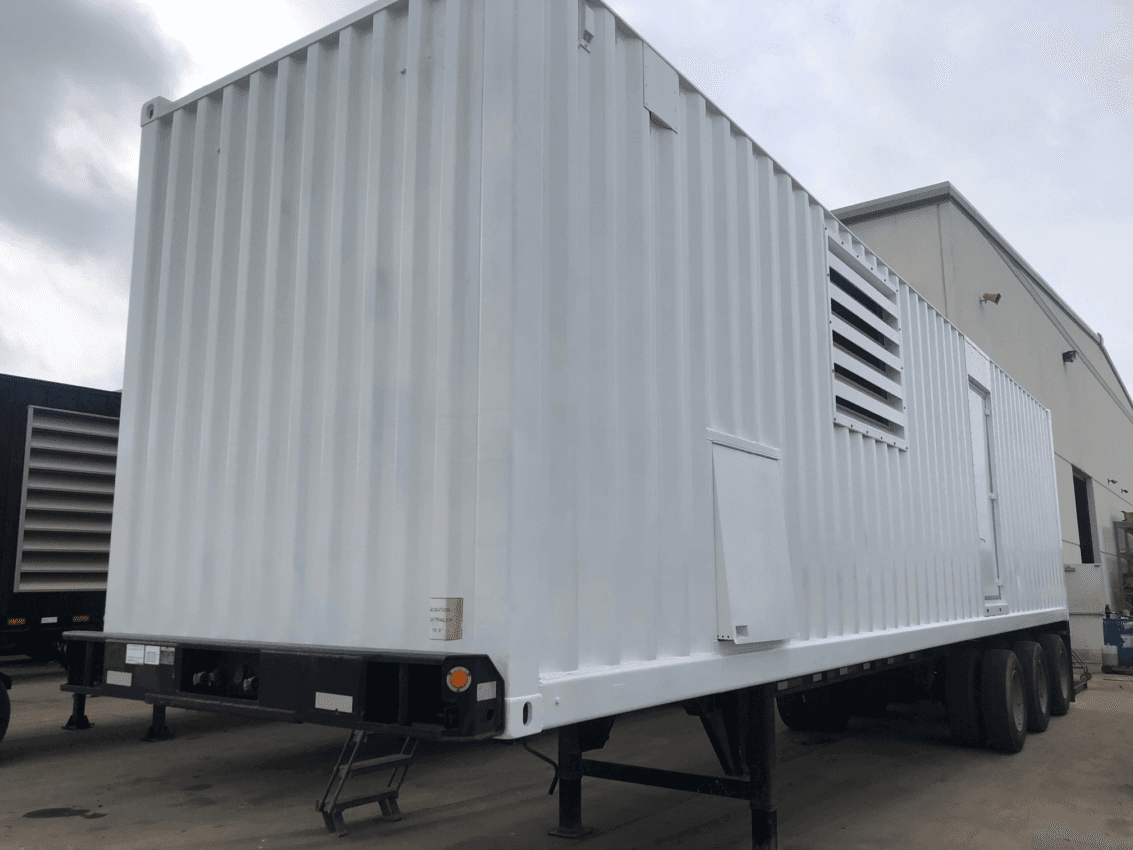
Portable Power Generators
Caterpillar XQ1750 Portable Power Module – 3516 DITA - 1750 kW
£150,000.00ex VAT
Request a quote for volume pricing
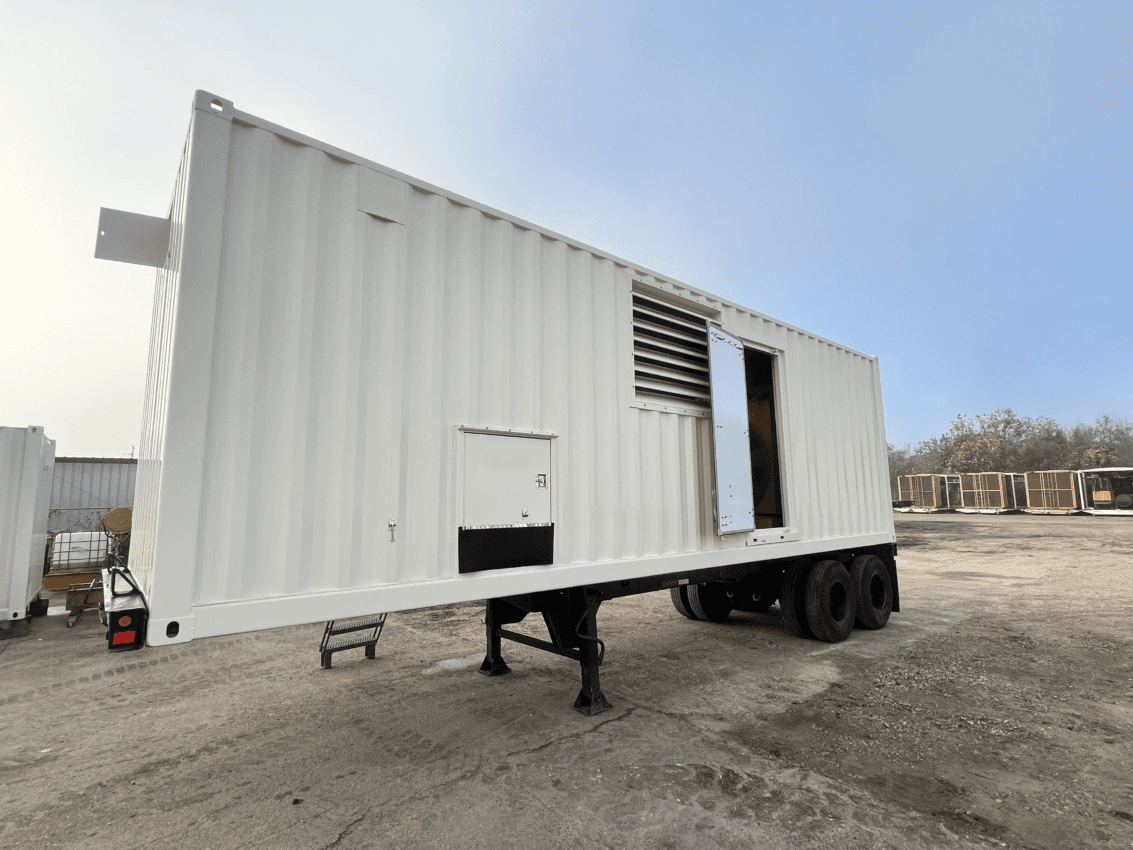
Portable Power Generators
Caterpillar XQ550G Natural Gas Power Module – G3512 TA - 555 kW
£150,000.00ex VAT
Request a quote for volume pricing
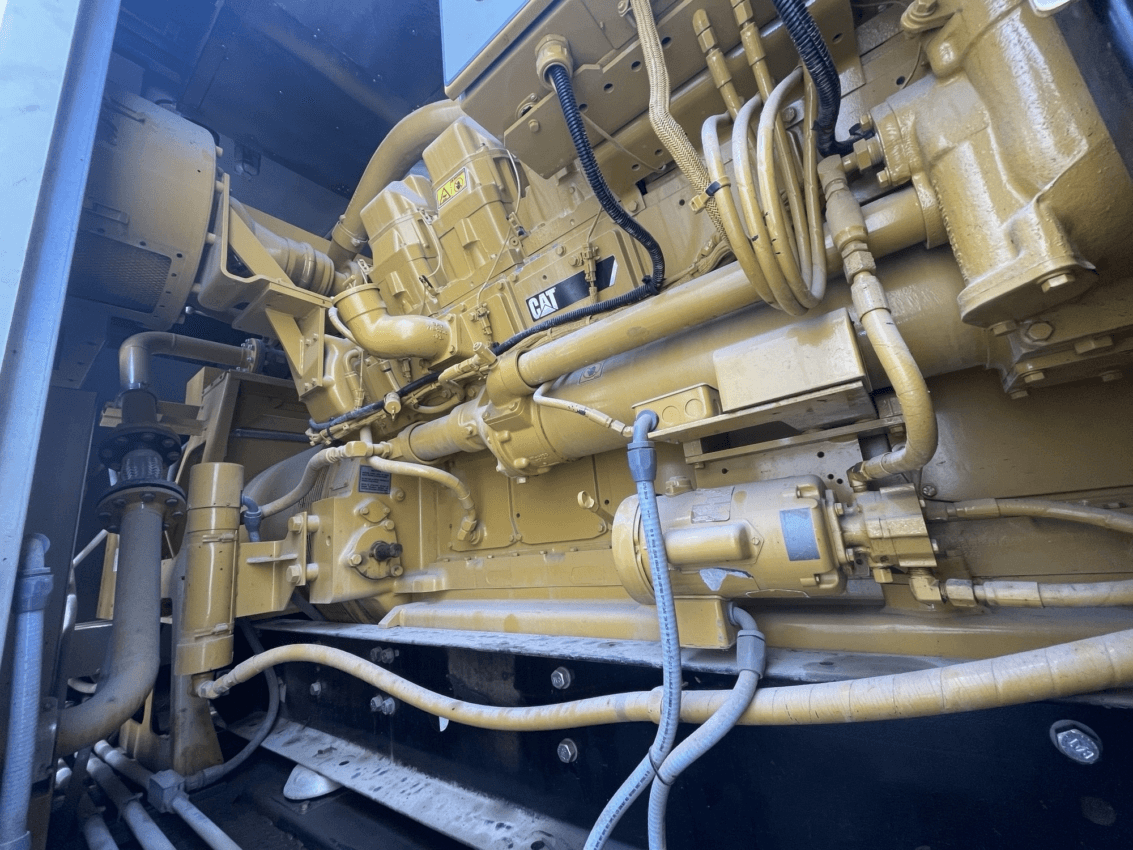
Portable Power Generators
Caterpillar XQ550G Natural Gas Power Module – G3512 TA - 555 kW
£135,000.00ex VAT
Request a quote for volume pricing
Further reading
External guidance from the Health and Safety Executive and GOV.UK. We summarise it here for convenience; where it matters, work from the source.