Timber machinery is bought on capacity and sold on throughput, and the two are not the same thing. A machine rated for six-inch material will take six-inch material occasionally; it will not sustain it all day. Specifying for the work you actually do, rather than the largest piece you might ever feed, is what separates a good purchase from an expensive lesson.
Rate capacity honestly
Chippers are sold by maximum diameter — four inch, six inch, eight inch. That figure is the largest piece the machine will accept under ideal conditions: straight, fresh, fed squarely.
Real brash is forked, dry, awkward and comes in armfuls. A machine working continuously at its rated maximum will be slow, will stall, and will wear its blades and bearings hard.
If most of your work is up to four inches with the occasional six, a six-inch machine is the sensible buy, not a four-inch one. Buy above your average, not at your maximum.
Power source: engine, PTO or electric
Engine-driven machines are self-contained and go anywhere, which suits contractors moving between sites. They are also another engine to maintain and fuel.
PTO-driven machines take their power from a tractor you already own, which removes an engine from the fleet and usually costs less to buy. The constraint is that the tractor is tied up while the machine runs, and the tractor must have adequate PTO horsepower.
Electric drive suits fixed installations — a yard, a sawmill, a processing site — where mains three phase is available. Quieter, cheaper to run, no exhaust, but not portable.
Feed systems
Hydraulic infeed rollers pull material in under controlled speed, which is both faster and considerably safer than gravity feed on anything beyond small material. On a commercial machine they are effectively standard.
Check the feed opening dimensions as well as the rated diameter. A machine that accepts six-inch round material may not take a forked six-inch limb, and brash rarely arrives as neat rounds.
Reverse and emergency stop on the feed are not optional on a machine with powered infeed. Confirm both work at inspection.
Log splitters: tonnage and cycle time
Splitting force is quoted in tons, and more is not automatically better. Beyond what your timber actually needs, extra tonnage buys nothing and usually costs cycle time.
Cycle time — how long the ram takes to extend and retract — determines throughput on a production machine far more than peak force. A fast 20-ton splitter will out-produce a slow 34-ton one on normal firewood.
Kinetic splitters use a flywheel to deliver a very fast cycle, which transforms output on clean straight timber. They handle knotty and stringy material less well than hydraulic machines.
Safety and training
Chippers are among the most dangerous machines in common use, and the hazards are not intuitive. Feed systems grab. Loose clothing, gloves with cuffs and anything held rather than pushed are all mechanisms of entanglement.
UK operators have duties under PUWER for providing suitable equipment, maintaining it and ensuring operators are trained. For contractor work, recognised training is usually a client requirement as well as a legal prudence.
Check guards, emergency stops and the last-feed device on any used machine. Missing or defeated guarding tells you how the machine has been run.
Common questions
- What size wood chipper do I need?
- Buy above your average material size rather than at your occasional maximum. A machine run continuously at its rated capacity is slow, stalls and wears hard. If most work is up to four inches, a six-inch machine is the sensible choice.
- Is a PTO chipper better than an engine-driven one?
- It depends on whether you already have a suitable tractor and can spare it. PTO machines cost less and remove an engine from your maintenance burden, but tie up the tractor. Engine-driven machines are self-contained and better for contractors moving between sites.
Examples from our woodworking machinery range
A sample of what we list — the full range is larger, and we will confirm the specification with you before you order.
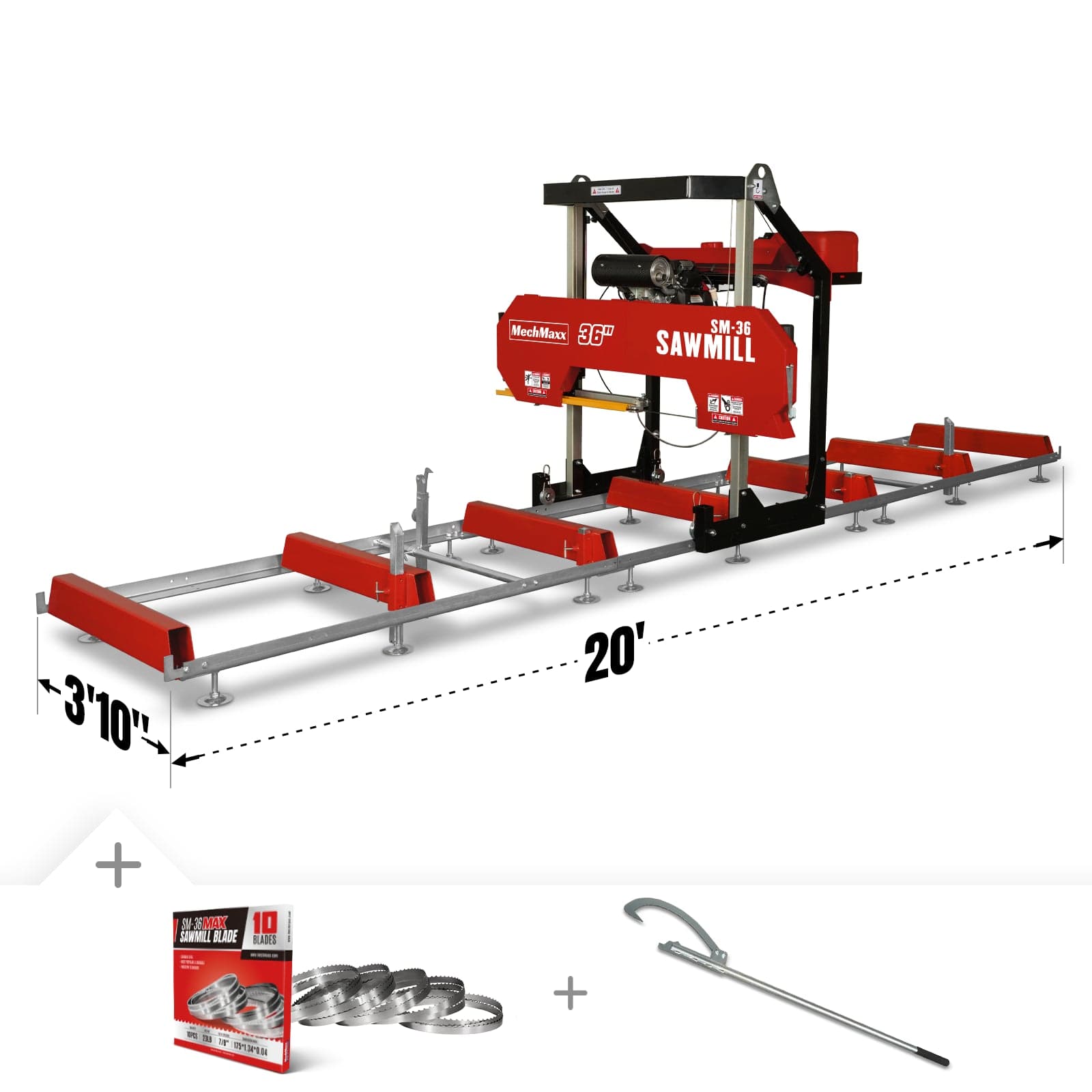
36 inch Sawmills
36" MAX Portable Sawmill, 25HP 688cc HONDA GX690 V-Twin Engine, 35" Board Width, 20' Track Length, (10 x Blades Included), SM-36HMAX
£4,989.33ex VAT
Request a quote for volume pricing
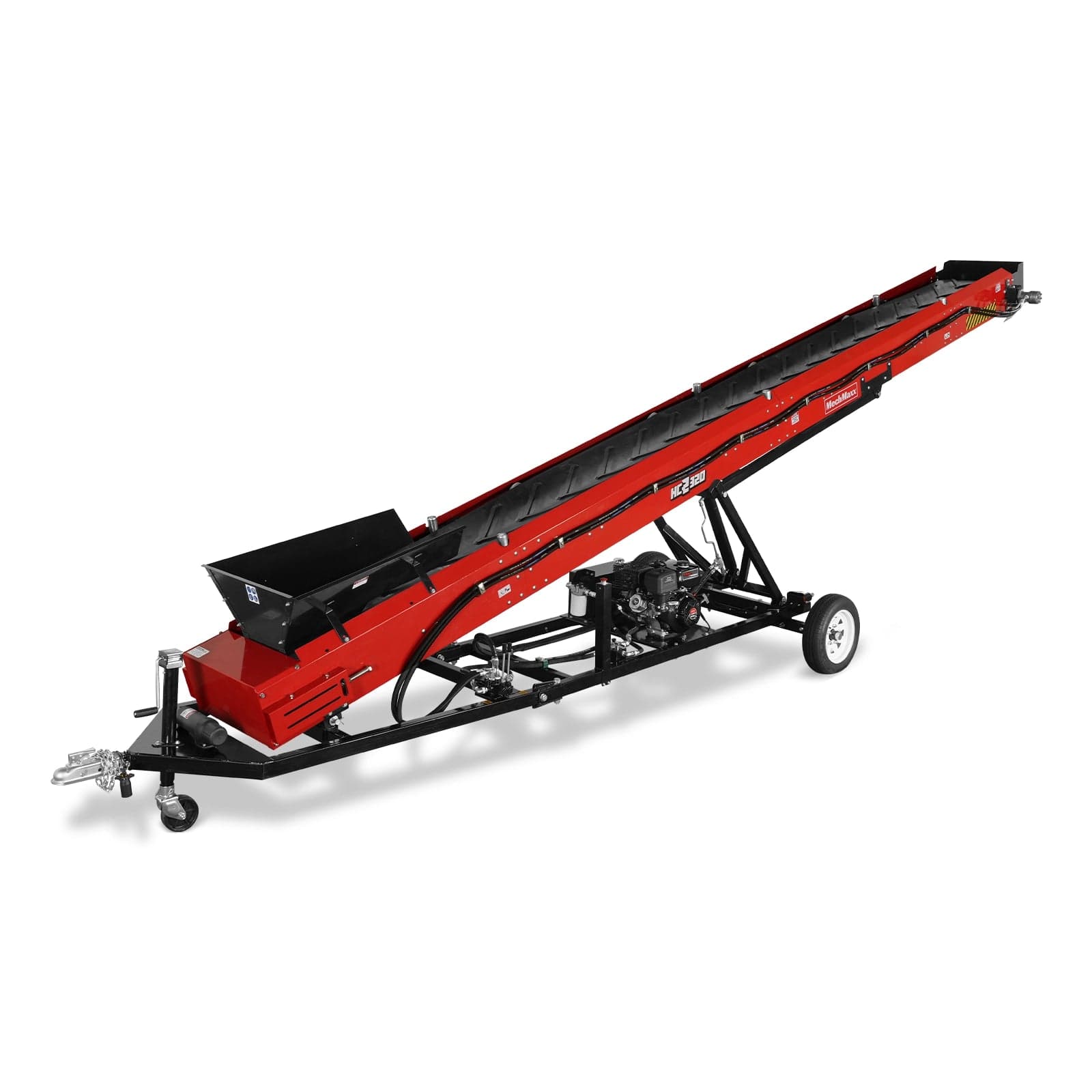
Heavy Duty Conveyor
Heavy Duty Conveyor, 9HP 270cc Gasoline Powered Max. 180" Lift Height, 276'' Length, 24" Width, HC2320
£4,244.54ex VAT
Request a quote for volume pricing
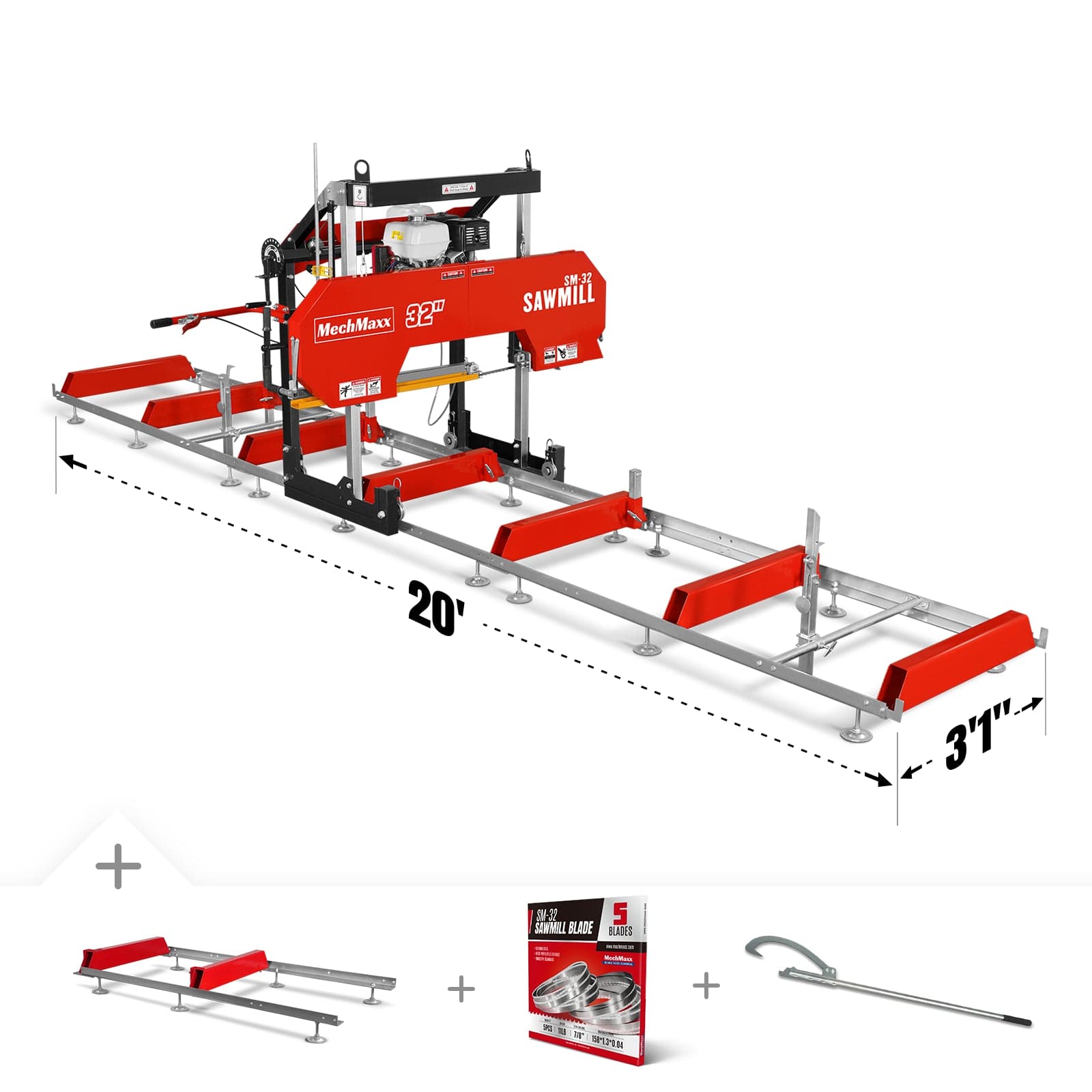
32 inch Sawmills
32" Portable Sawmill (5 x Blades Included), HONDA GX390 389cc E-Start Gasoline Engine, 26.5" Board Width, 20' Track Length (13' Track Length + 6.4'...
£3,241.68ex VAT
Request a quote for volume pricing
Further reading
External guidance from the Health and Safety Executive and GOV.UK. We summarise it here for convenience; where it matters, work from the source.