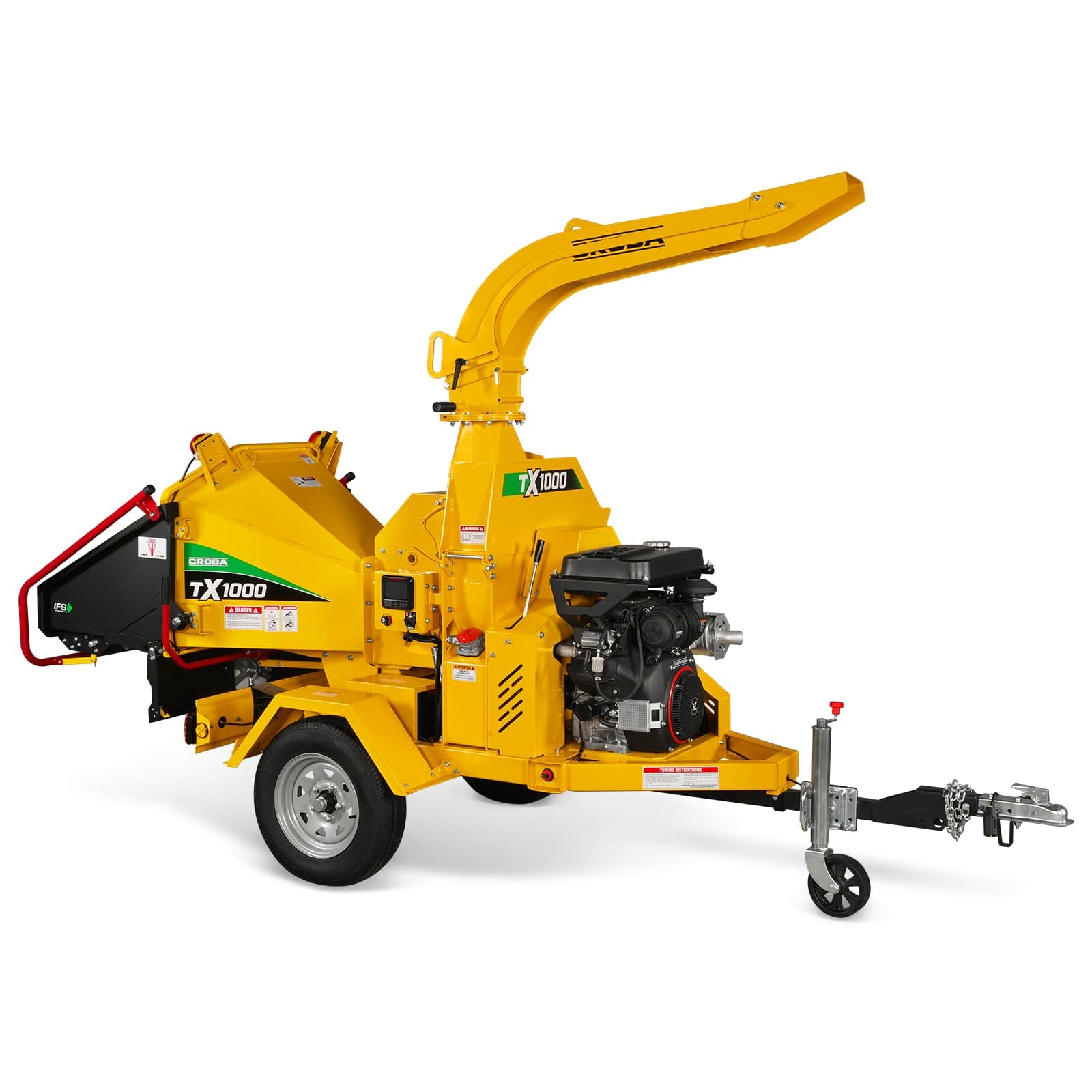
Chipper specification is dominated by one number — maximum diameter — which describes the hardest thing the machine will swallow rather than what it will process comfortably all day. Choosing well means looking past it.
Rated diameter versus working diameter
A six-inch chipper will take a six-inch log. It will do so slowly, with the engine labouring and the blades taking the full load, and it will not do it repeatedly without consequence.
Working capacity is comfortably below rated capacity. For sustained production, expect to feed material around two thirds of the rated figure without strain.
Buy for your typical material plus headroom, which almost always means one size up from the arithmetic.
Disc versus drum
Disc chippers use blades mounted on a heavy flywheel disc. They produce consistent chip, are efficient on clean straight material, and are common in the four to eight inch range.
Drum chippers use blades on a rotating drum and are generally more tolerant of awkward, forked and dirty material. They are typically found on larger machines.
For arb work with mixed brash, tolerance of awkward material usually matters more than chip consistency. For producing saleable woodchip or biomass, consistency matters more.
Hydraulic feed and safety devices
Powered hydraulic infeed is the difference between feeding a machine and fighting it. It controls feed rate to match engine load, which protects both throughput and the engine.
The feed control bar — forward, neutral, reverse — and the last-chance device at the hopper mouth are the primary safety features. Test both before buying anything used.
Check the hopper dimensions as well as the diameter rating. Forked brash needs width as much as depth.
What to check on a used machine
Blades and anvil: both are consumable, and a set of blades plus an anvil can be a meaningful fraction of a small machine's value. Check wear and ask when they were last changed or reground.
Bearings and the rotor: listen for rumble on run-up and look for vibration. Rotor bearing replacement is a significant job.
Feed rollers and hydraulics: check for leaks, and confirm the feed engages and reverses cleanly under load rather than just at idle.
Common questions
- How much material can a 6 inch chipper actually handle?
- Comfortably, around two thirds of its rating for sustained work — roughly four inches. It will take six inches occasionally, but not repeatedly without labouring and wearing blades hard.
Examples from our woodworking machinery range
A sample of what we list — the full range is larger, and we will confirm the specification with you before you order.
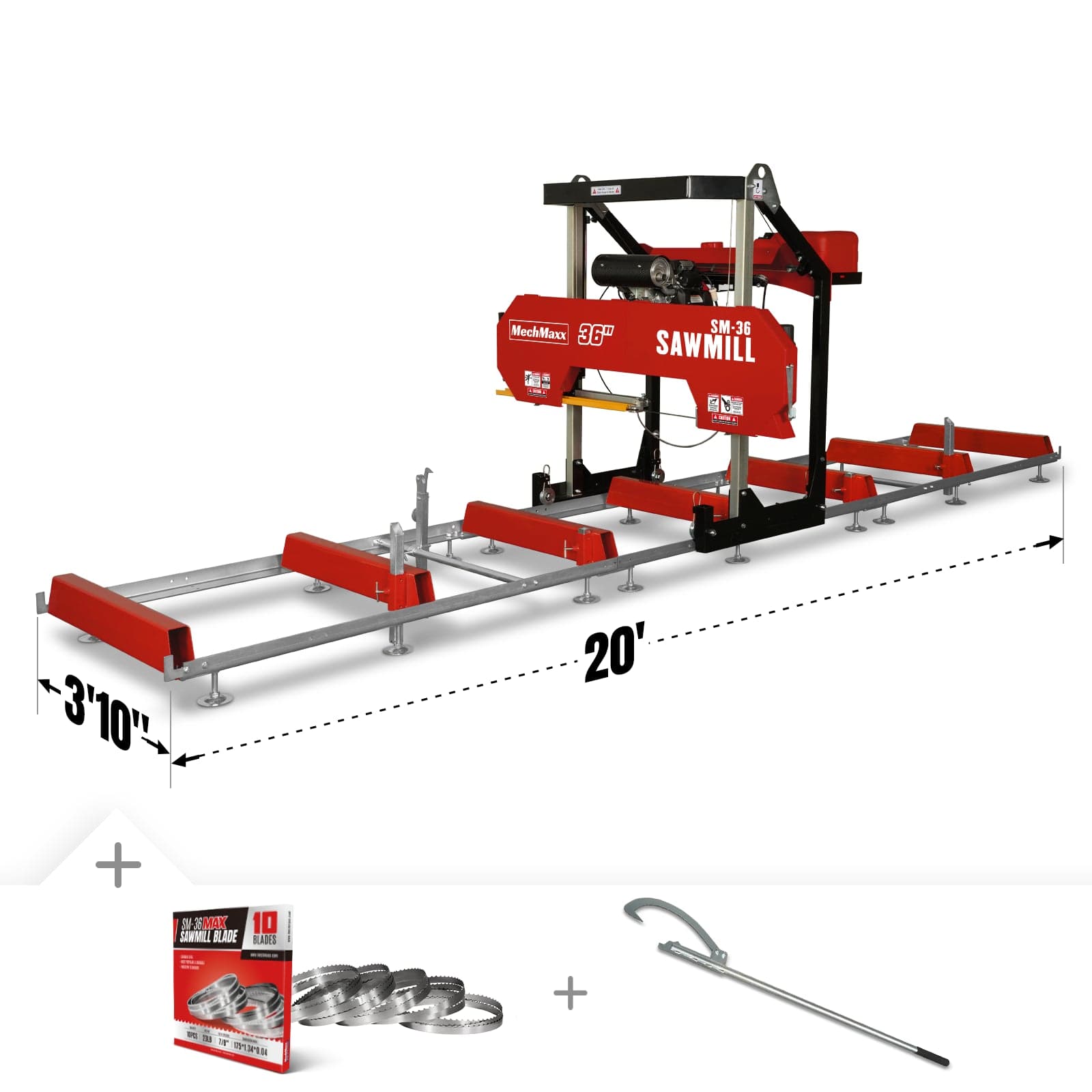
36 inch Sawmills
36" MAX Portable Sawmill, 25HP 688cc HONDA GX690 V-Twin Engine, 35" Board Width, 20' Track Length, (10 x Blades Included), SM-36HMAX
£4,989.33ex VAT
Request a quote for volume pricing
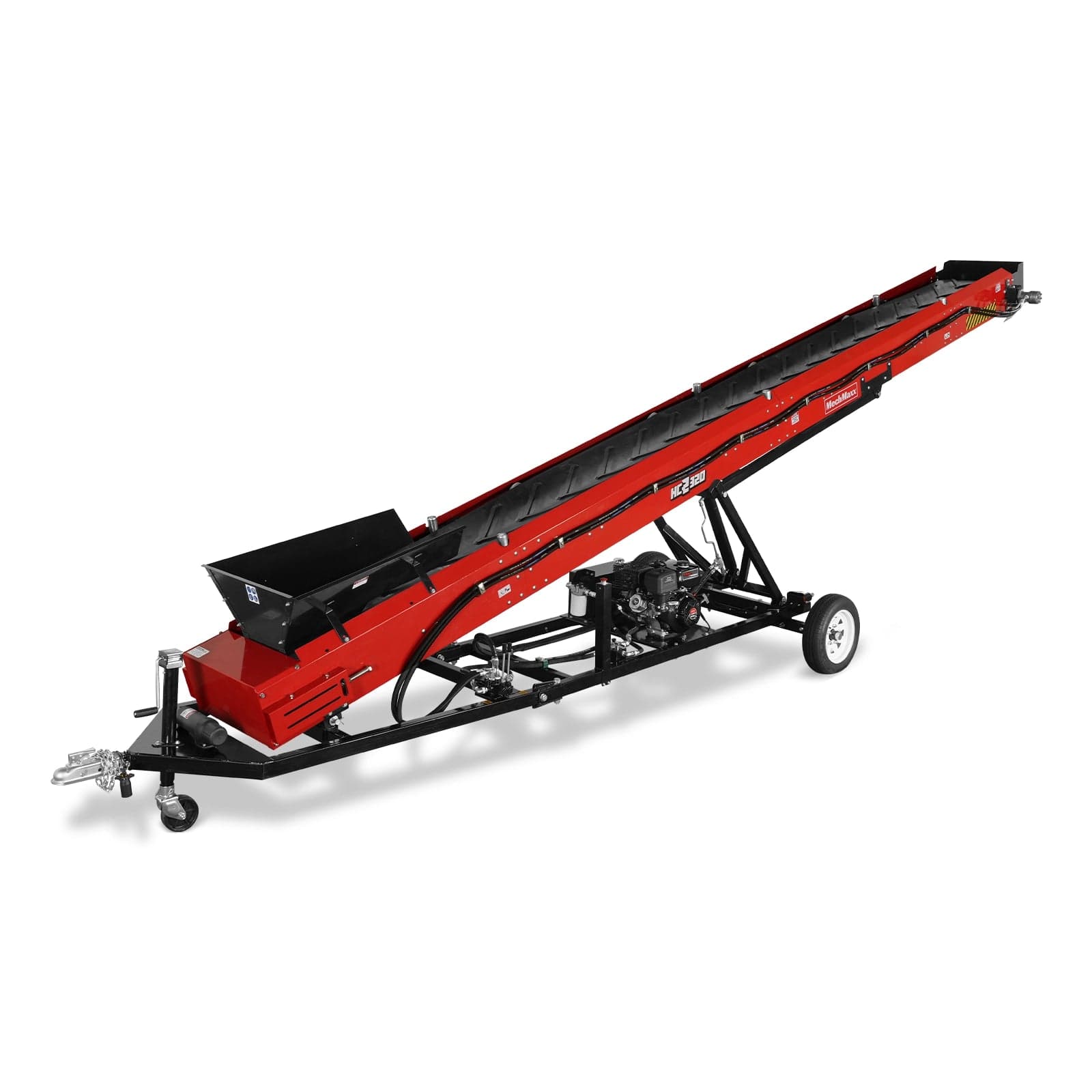
Heavy Duty Conveyor
Heavy Duty Conveyor, 9HP 270cc Gasoline Powered Max. 180" Lift Height, 276'' Length, 24" Width, HC2320
£4,244.54ex VAT
Request a quote for volume pricing
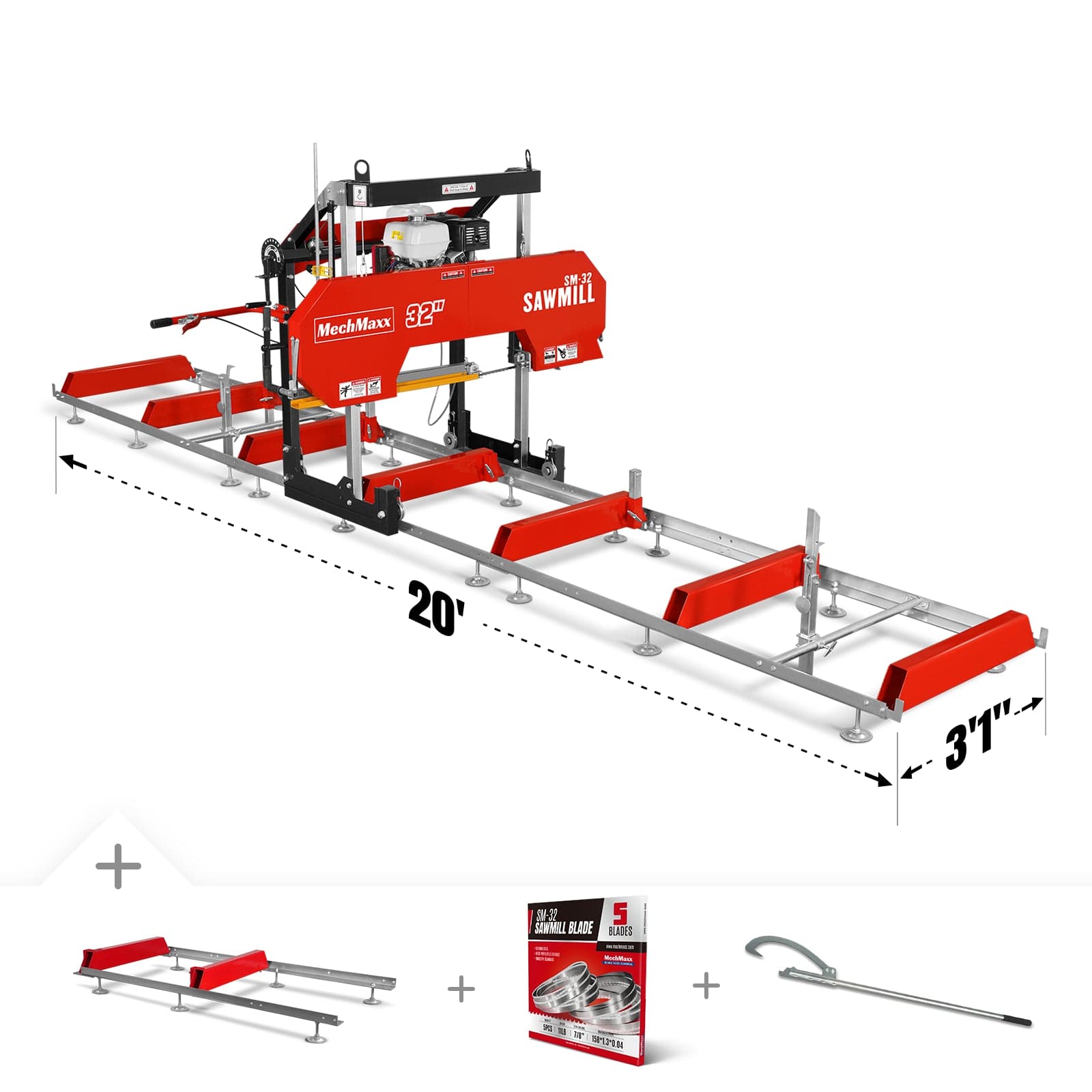
32 inch Sawmills
32" Portable Sawmill (5 x Blades Included), HONDA GX390 389cc E-Start Gasoline Engine, 26.5" Board Width, 20' Track Length (13' Track Length + 6.4'...
£3,241.68ex VAT
Request a quote for volume pricing
Further reading
External guidance from the Health and Safety Executive and GOV.UK. We summarise it here for convenience; where it matters, work from the source.