Log splitters are compared on tonnage, which is the specification that matters least once you have enough of it. Throughput is governed by cycle time and handling, and that is where the real differences lie.
Hydraulic splitters
A hydraulic ram pushes the log onto a wedge. Force is high, speed is modest, and the machine handles knotty, stringy and awkward timber without complaint because it simply keeps pushing.
Typical ratings run from around 7 tons for domestic machines to 34 tons and beyond for commercial work. For most UK hardwood and softwood, 20 tons is ample.
Beyond the force your timber actually needs, more tonnage buys nothing. It usually comes with a slower cycle, which costs output.
Kinetic splitters
A kinetic splitter stores energy in a flywheel and releases it in a single fast stroke. Cycle times are a fraction of hydraulic machines, which transforms output on clean, straight, consistent timber.
The trade-off is behaviour on difficult material. Where a hydraulic ram keeps pushing through a knot, a kinetic machine delivers its energy and stops. Stringy or heavily knotted timber suits it less well.
For high-volume production of uniform firewood, kinetic is substantially faster. For mixed, awkward material, hydraulic is more forgiving.
Cycle time is the output number
Throughput is cycles per hour multiplied by what each cycle produces. A 20-ton machine with an 8-second cycle out-produces a 34-ton machine with a 20-second cycle by a wide margin.
Two-stage pumps help: they advance the ram quickly under light load and drop into high force only when resistance builds. On a production machine this is close to essential.
Handling matters as much as the machine. Log lifts, tables and conveyors remove the manual work that otherwise sets the pace.
When a processor makes sense
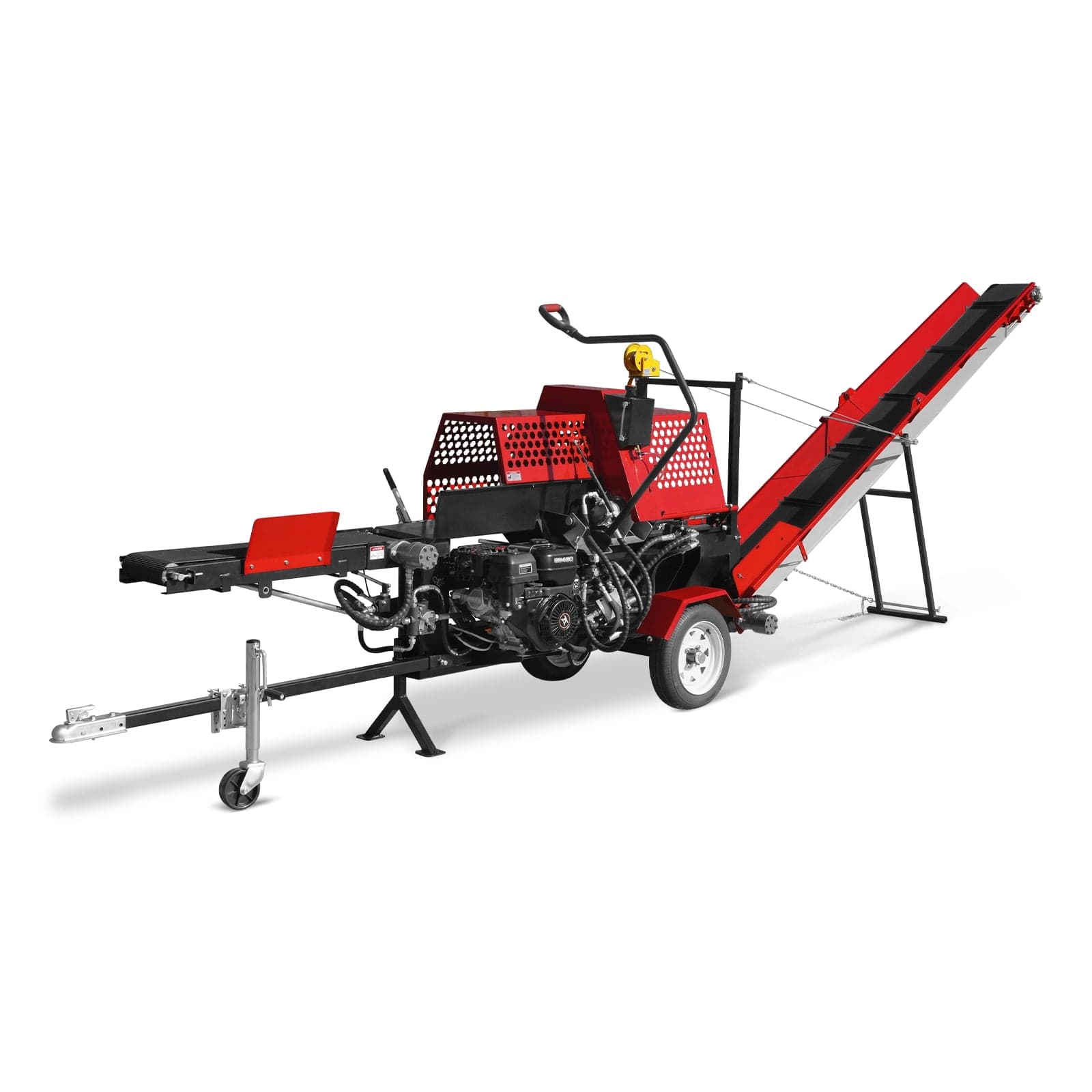
A firewood processor combines cutting and splitting in one pass, taking cordwood in and delivering split billets out, usually onto a conveyor.
The economics turn on volume. For occasional or domestic production, a splitter and a chainsaw is far cheaper. For commercial firewood at scale, a processor replaces most of the handling labour, which is where the cost actually sits.
Common questions
- How many tons do I need for a log splitter?
- For most UK hardwood and softwood, 20 tons is ample. Beyond the force your timber needs, extra tonnage buys nothing and often costs cycle time.
- Is a kinetic splitter better than hydraulic?
- Faster on clean, straight, uniform timber — often dramatically so. Less forgiving on knotty or stringy material, where a hydraulic ram's sustained push is more effective.
Examples from our lawn & garden machinery range
A sample of what we list — the full range is larger, and we will confirm the specification with you before you order.
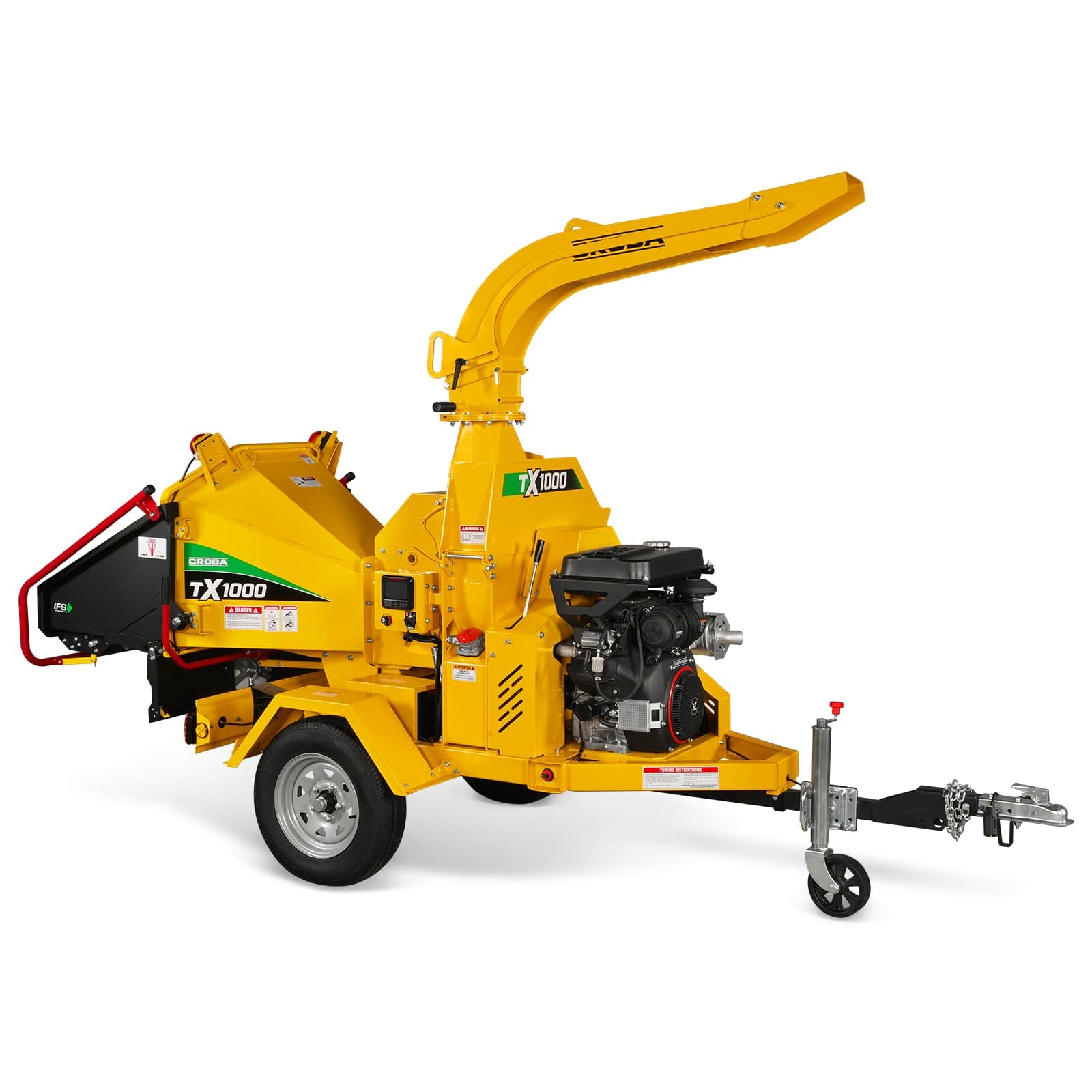
8 in Wood Chippers
35hp 1000cc ZONSEN E-Start 8 inch Gas Powered Commerical Wood Chipper with Intelligent Hydraulic Feeding System , CROBA TX1000
£10,947.62ex VAT
Request a quote for volume pricing
Log Splitter Processor with Conveyor
Firewood Log Splitter Processor with Conveyor, 20ton Splitting Force 24" x 15" Log Capacity, 18" STIHL Chainsaw, HLS20
£8,609.93ex VAT
Request a quote for volume pricing
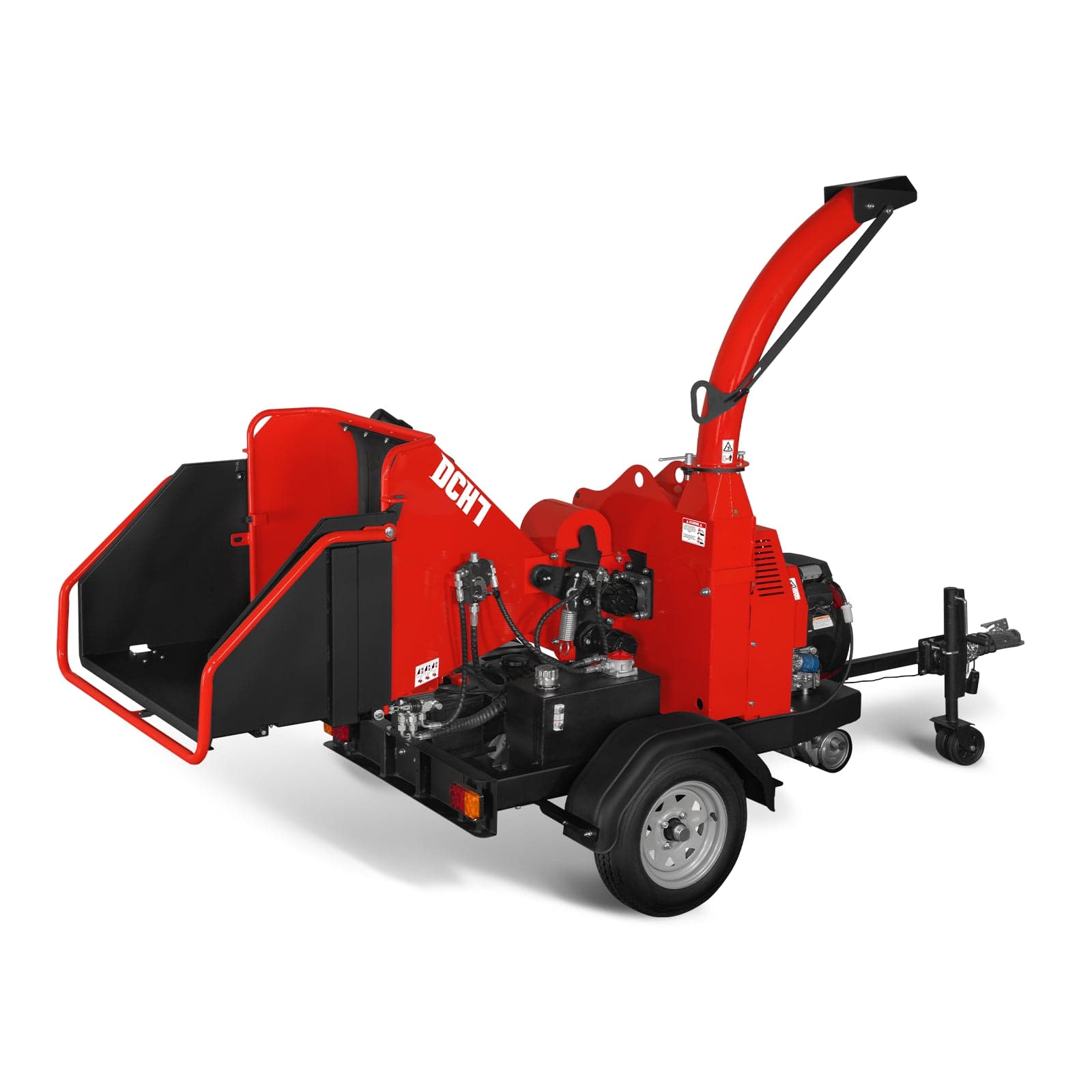
7 in Wood Chippers
HONDA GX690 22HP 688cc Twin Cylinder Gasoline Engine Powered 7” Hydraulic Feeding Wood Chipper, DCH7
£6,259.81ex VAT
Request a quote for volume pricing
Further reading
External guidance from the Health and Safety Executive and GOV.UK. We summarise it here for convenience; where it matters, work from the source.