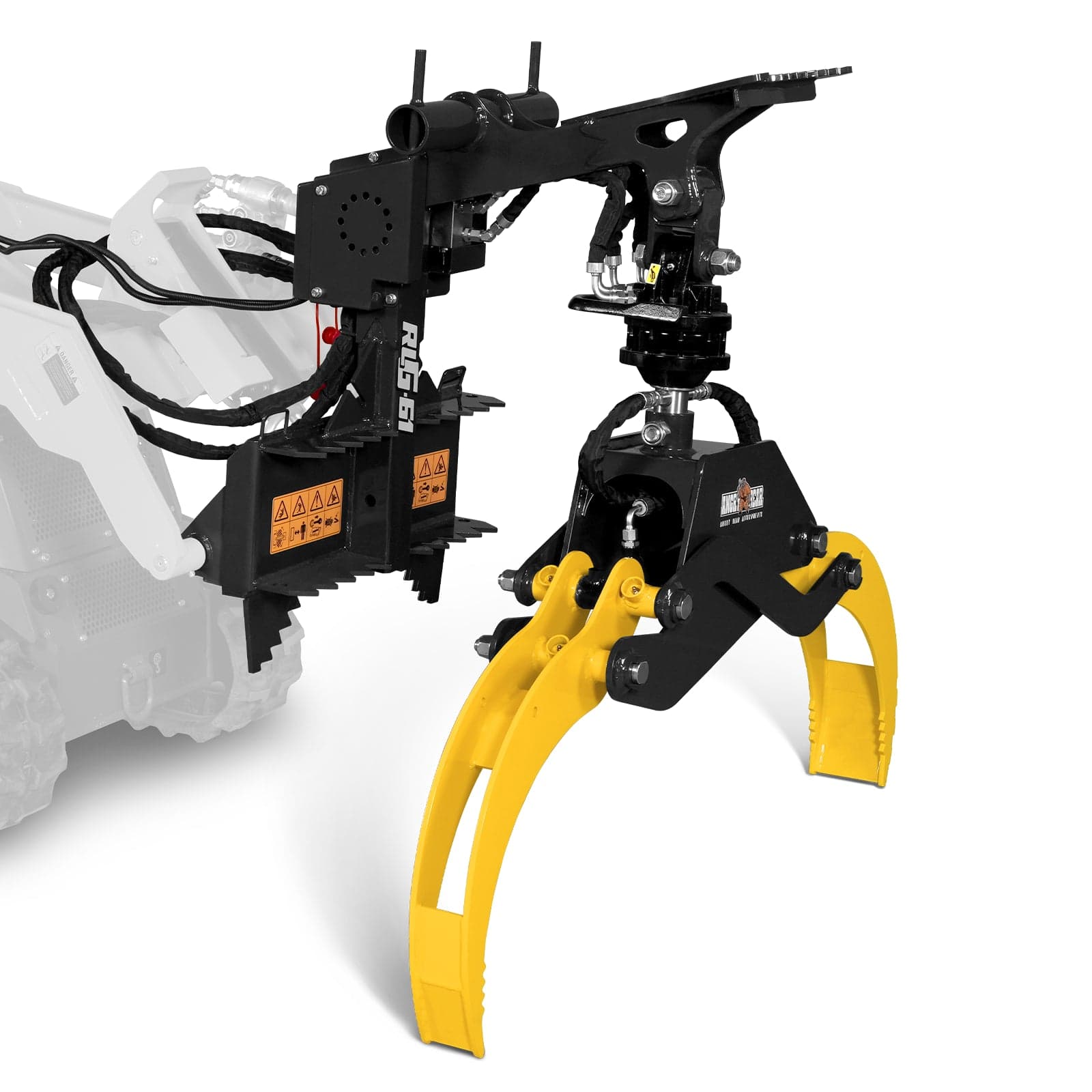
Flow and pressure are the two figures that decide whether a hydraulic attachment performs. They take five minutes to check and are the difference between a tool that works and one that disappoints.
Finding your machine's figures
Auxiliary hydraulic flow appears in the operator's manual and usually on the machine's specification plate, quoted in gallons per minute or litres per minute. Divide litres by 3.785 to convert to US gallons.
Note whether your machine has a standard-flow or high-flow auxiliary circuit. Many skid steers offer both as options, and the difference is substantial — a high-flow machine may deliver twice the standard figure, which changes what it can drive.
Reading the attachment specification
Attachments quote a range, such as 11–16 gal/min. Your machine's output should fall within it, ideally not at the very bottom.
Where an attachment lists low and high flow ranges separately, those usually correspond to minimum workable flow and maximum safe flow. Running at the minimum works but performs modestly; running above the maximum risks the motor.
Pressure, and why it is separate
Flow sets speed; pressure sets force. An attachment needs both. Working pressure is quoted in psi, commonly 2000–3000 for this class of equipment.
A machine with ample flow but low circuit pressure drives an attachment that spins fast and stalls the moment it meets real resistance — a cutting head that sounds healthy until it touches timber.
Case-by-case: the demanding attachments
Drum mulchers and trenchers are the most flow-hungry tools in this category, because both do continuous heavy cutting rather than intermittent work. They are the attachments most often bought for machines that cannot really drive them.
Augers, grapples and brooms are comparatively undemanding and tolerate a wider range of machines.
If you are buying one attachment to justify a machine, check it against the demanding end of your intended range rather than the easy end.
Common questions
- How do I convert litres per minute to gallons per minute?
- Divide by 3.785 for US gallons, which is the unit most attachment specifications use. 60 l/min is roughly 15.9 gal/min.
Examples from our skid steer attachments range
A sample of what we list — the full range is larger, and we will confirm the specification with you before you order.
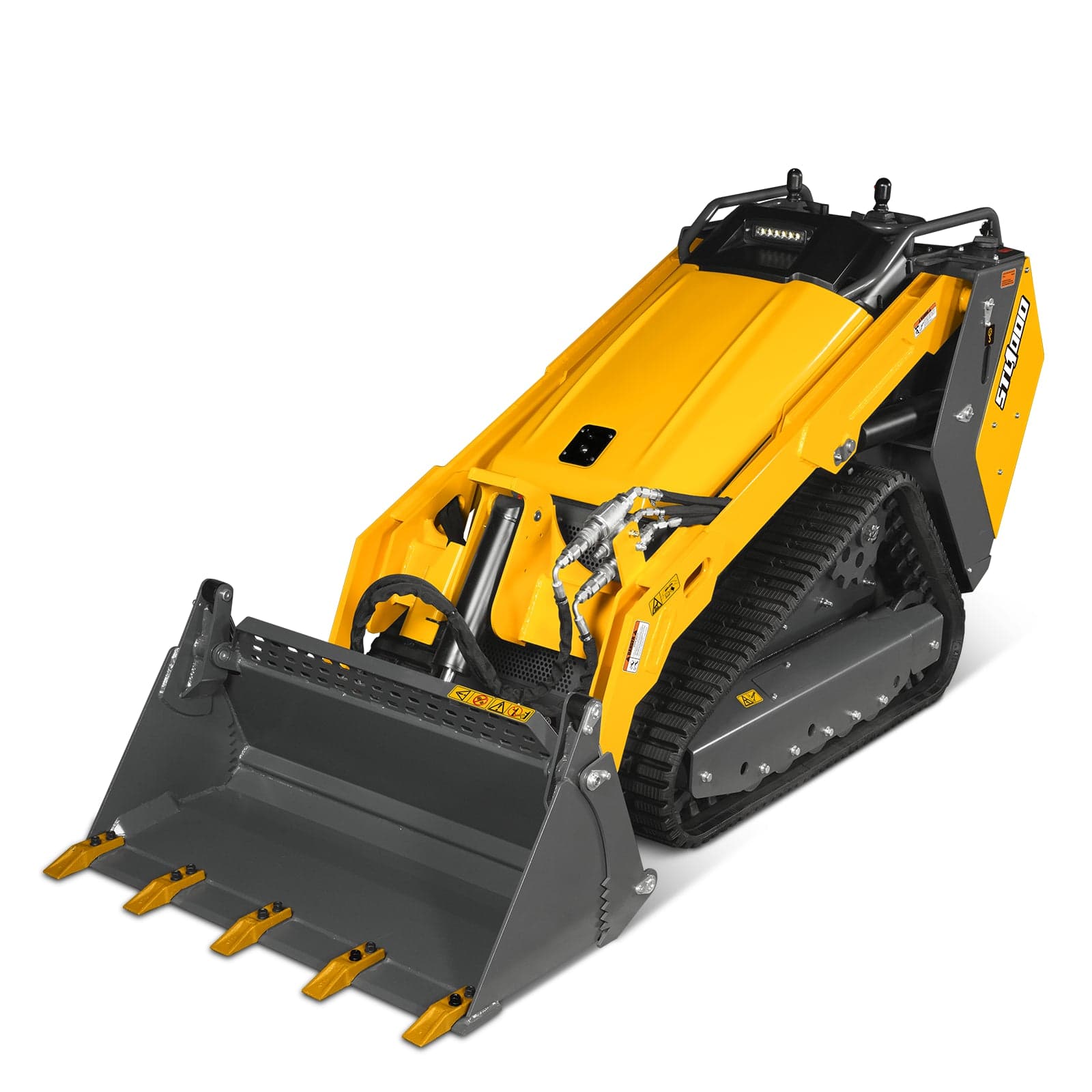
Concrete Mixer
Mini Skid Steer Stand On Compact Track Loader ( 4 in 1 bucket included ) with 25HP KUBOTA D1105 Diesel Engine, Common Industry Interface (CII),...
£16,435.04ex VAT
Request a quote for volume pricing
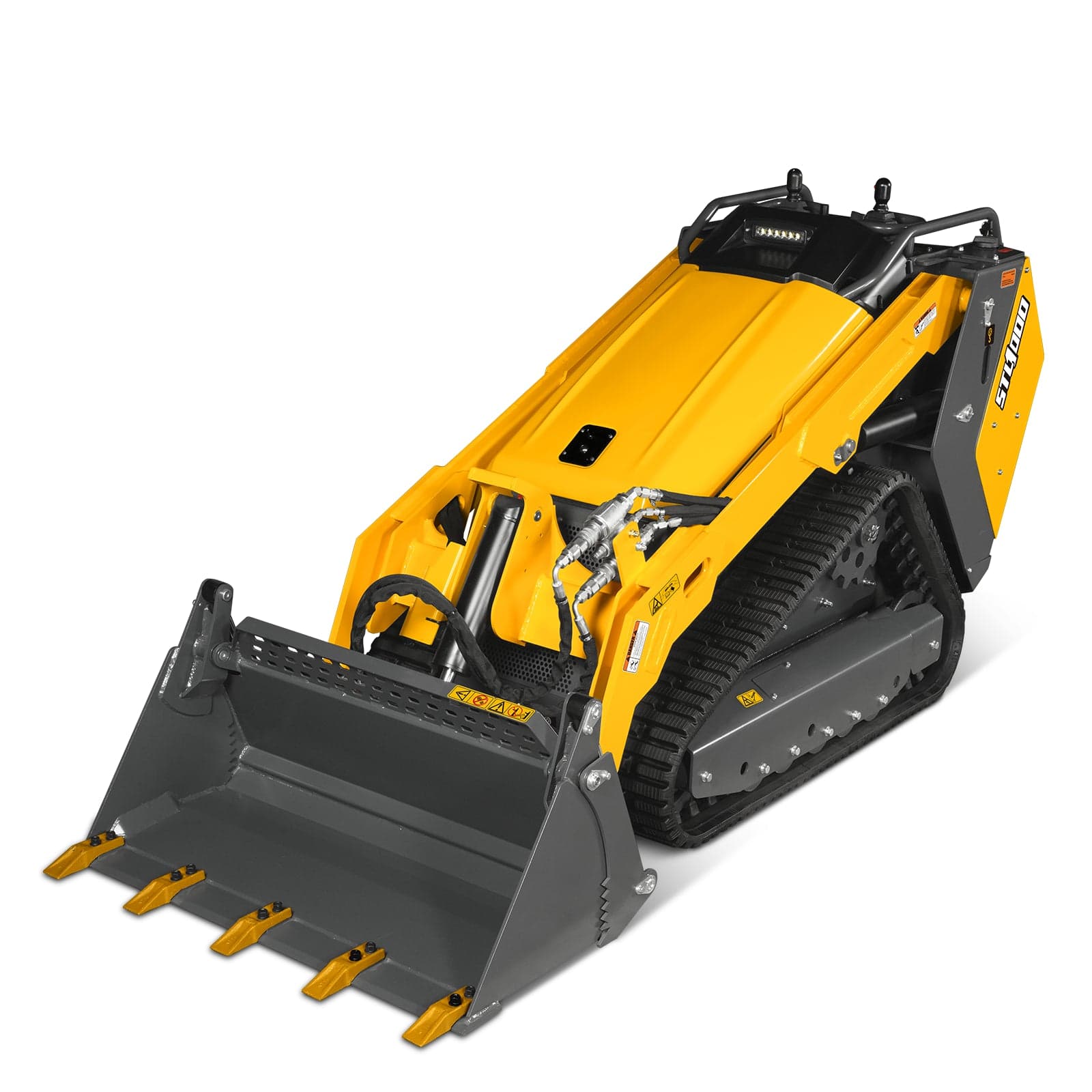
Broom Sweeper
Mini Skid Steer Stand On Compact Track Loader ( 4 in 1 bucket included ) with 25HP KUBOTA D1105 Diesel Engine, Common Industry Interface (CII),...
£16,408.57ex VAT
Request a quote for volume pricing
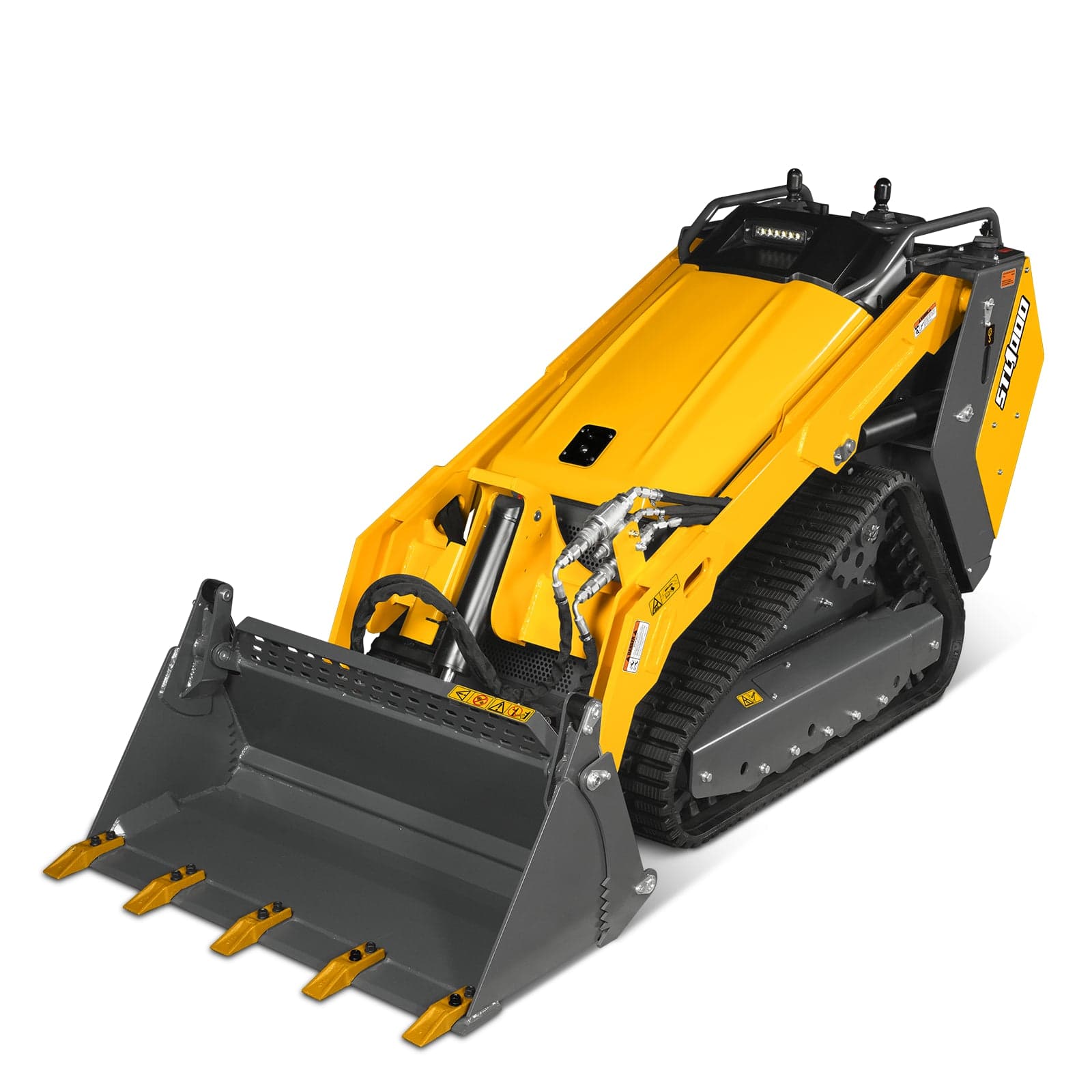
Clamp-On Bale Spear
Mini Skid Steer Stand On Compact Track Loader ( 4 in 1 bucket included ) with 25HP KUBOTA D1105 Diesel Engine, Common Industry Interface (CII),...
£16,395.94ex VAT
Request a quote for volume pricing
Further reading
External guidance from the Health and Safety Executive and GOV.UK. We summarise it here for convenience; where it matters, work from the source.